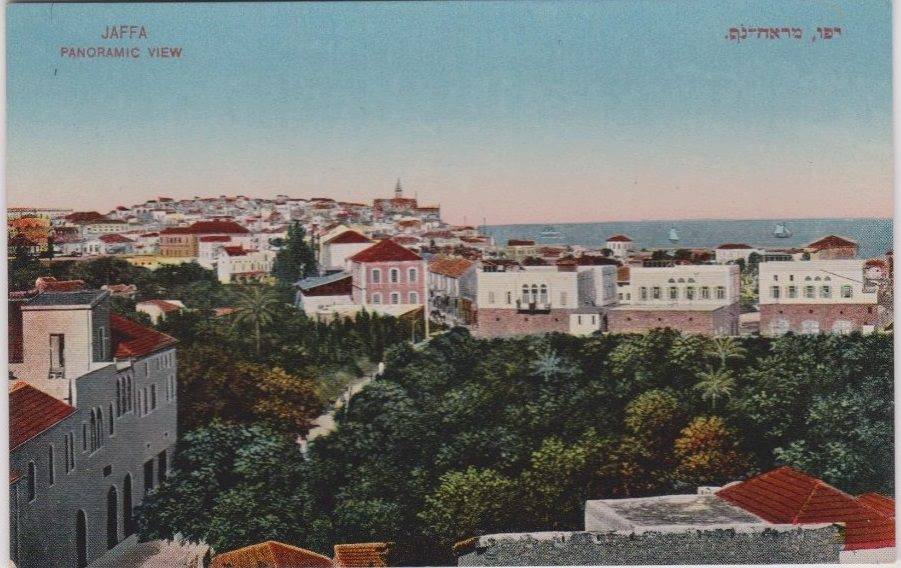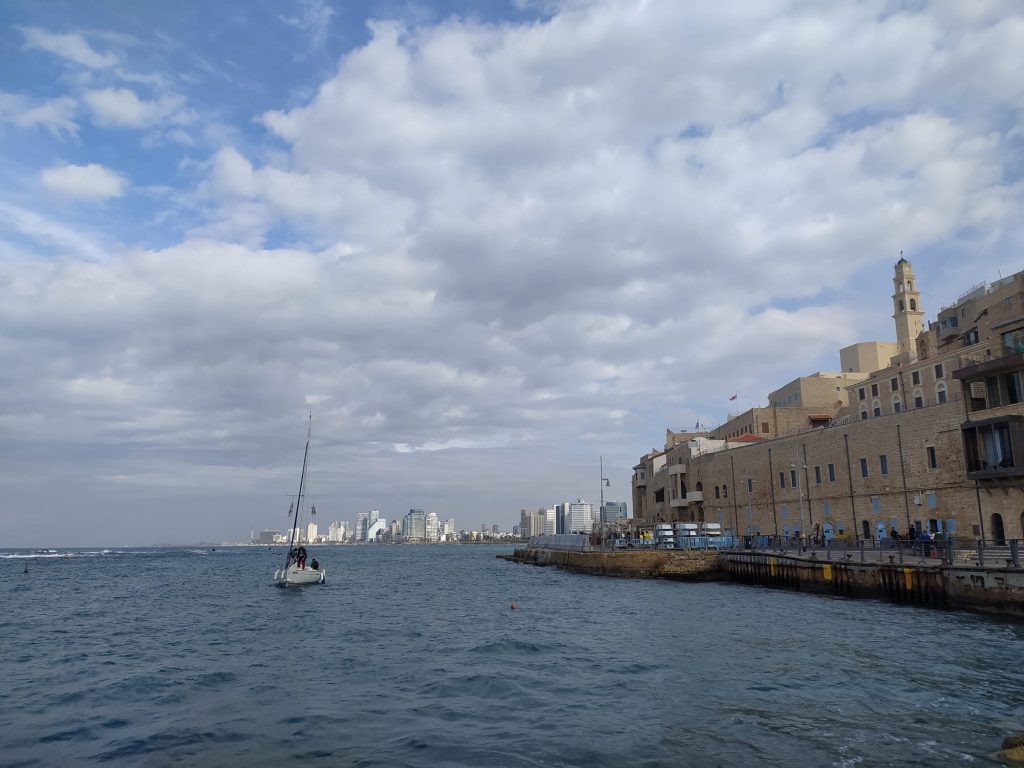
Following various processes that took place in Europe and the East in general, and in the Land of Israel and Jaffa as a port city in particular Jaffa began to break through its walls, and around it began to be built:
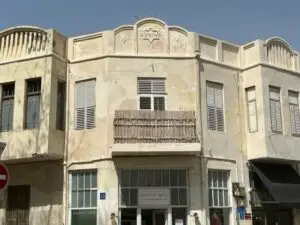
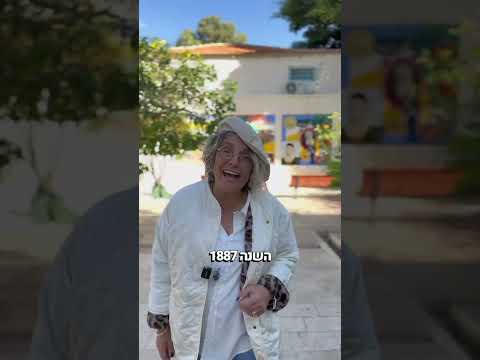
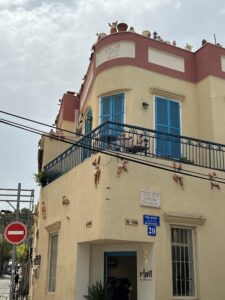
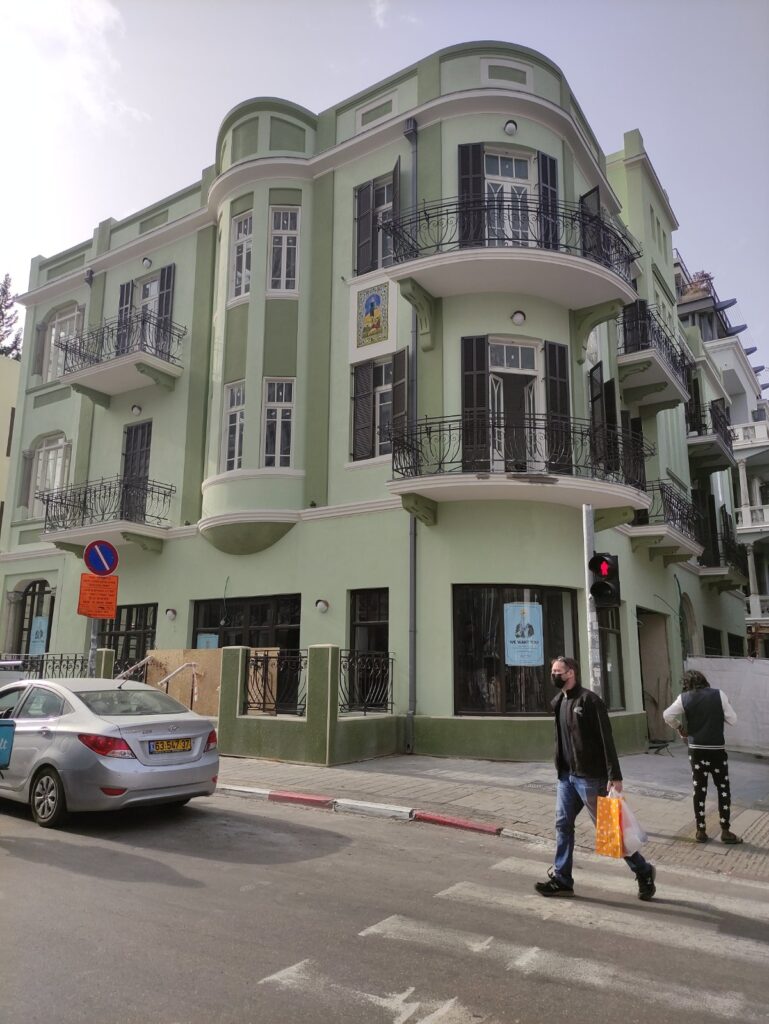
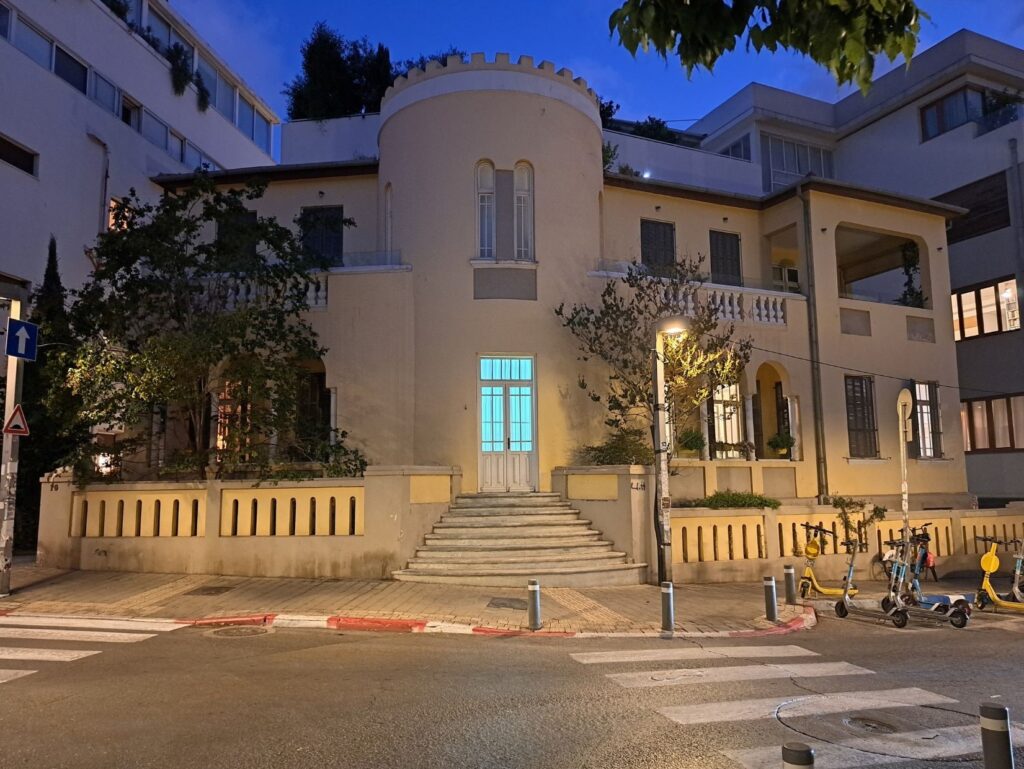
The year is 1887. Neve Tzedek is the first Jewish neighborhood built outside the city walls. It was called 'Little Paris' because its appearance was innovative: its houses were close together, its alleys were straight, and some of its houses were elegant, including the Shalosh family home and the Rokach house with its towering copper dome.
There were several other exciting innovations in the courtyards of the houses: A house of honor and a house of cooking built for the private use of each family.
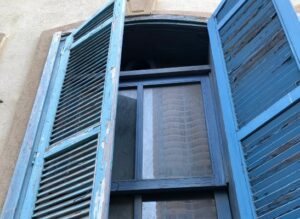
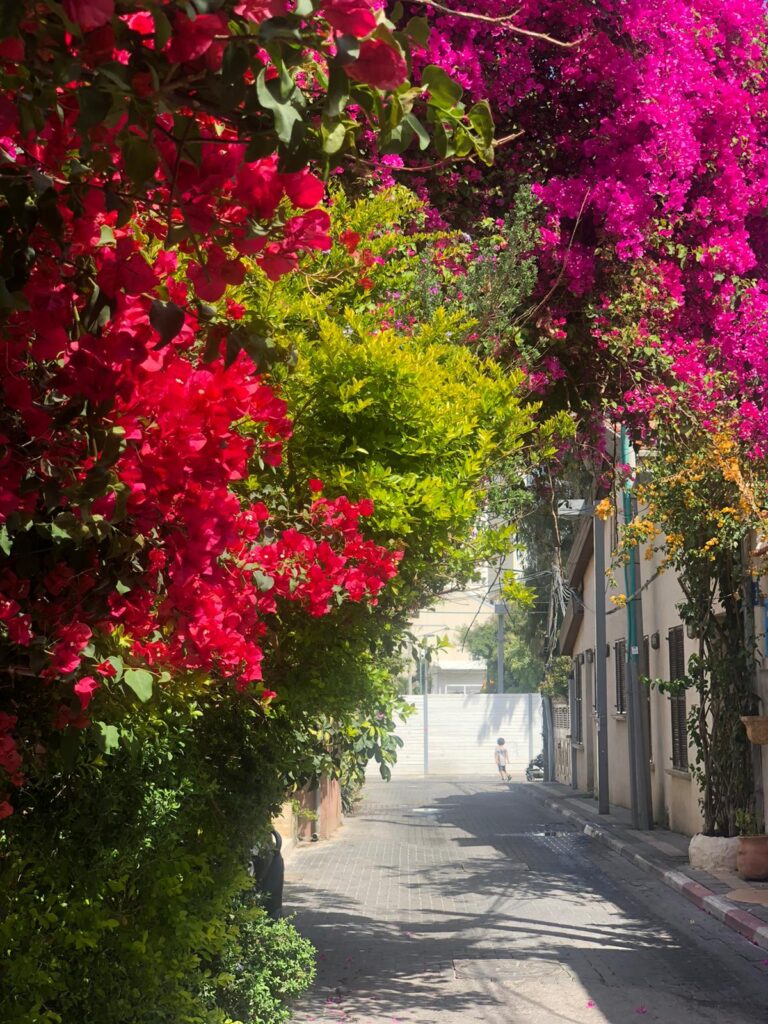
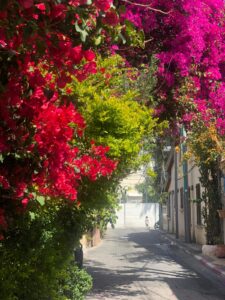
A tour of the Neve Tzedek neighborhood is also wonderful on Saturdays. In the morning, the neighborhood still seems to be asleep, and everyone comes to discover the picturesque neighborhood, which feels like a foreign country within the country.
But I'll let you in on a secret: while the playground and lawn at the entrance to the neighborhood, next to the parking lot and the main street, Shabazi Street, are crowded with people.
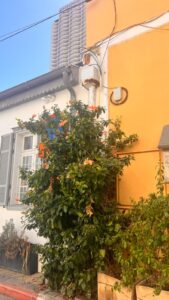
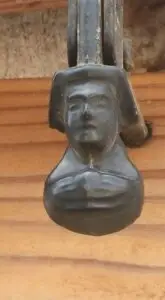
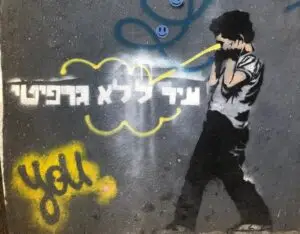
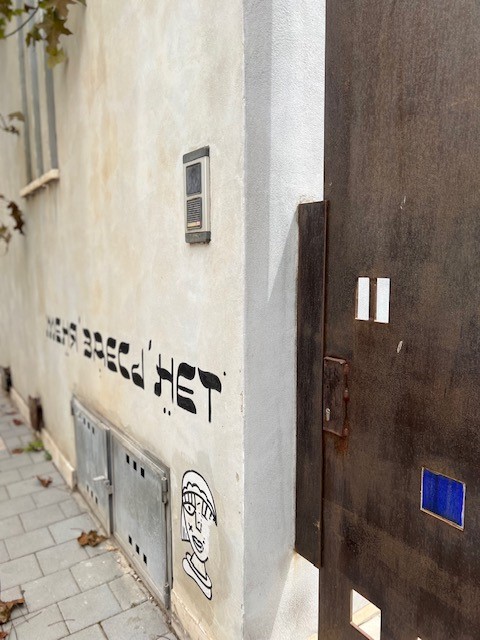
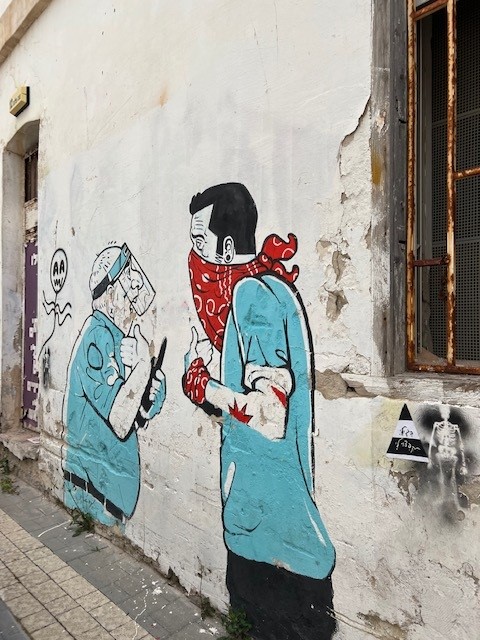
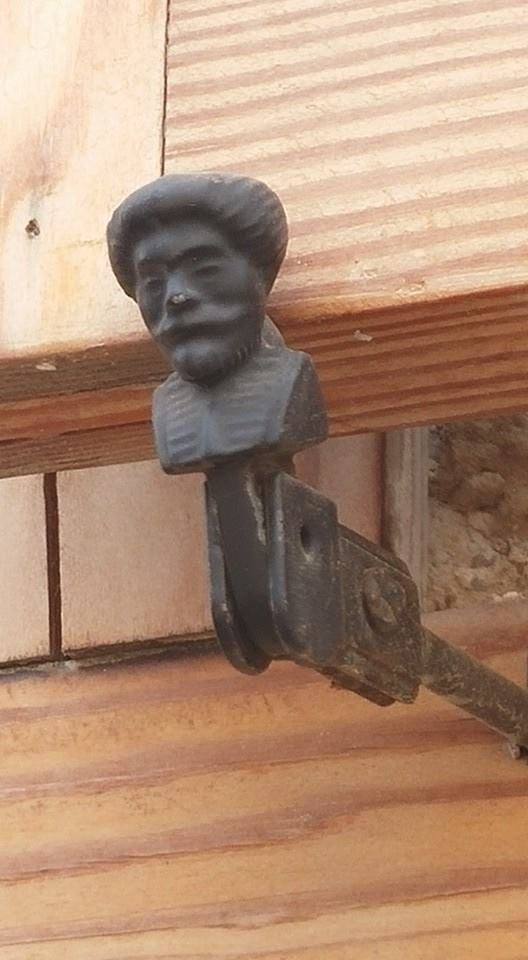
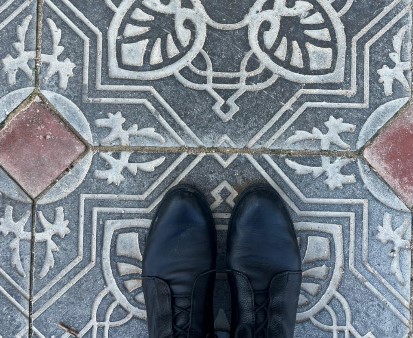
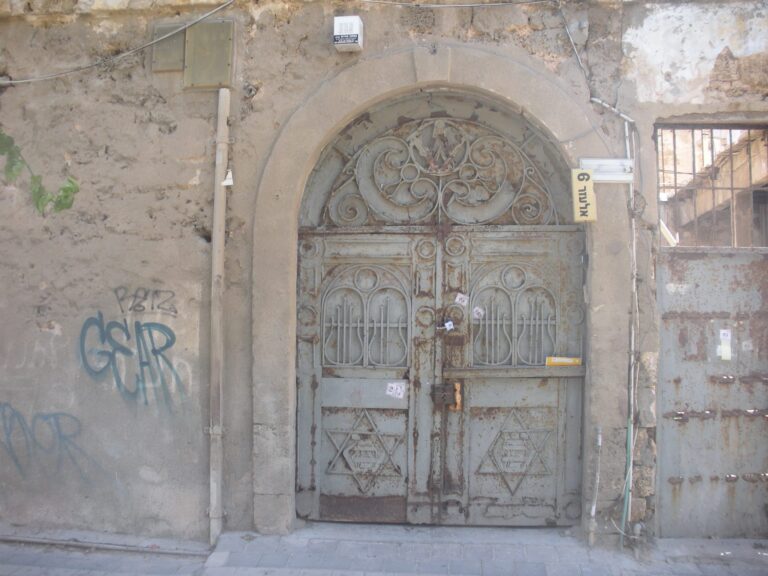
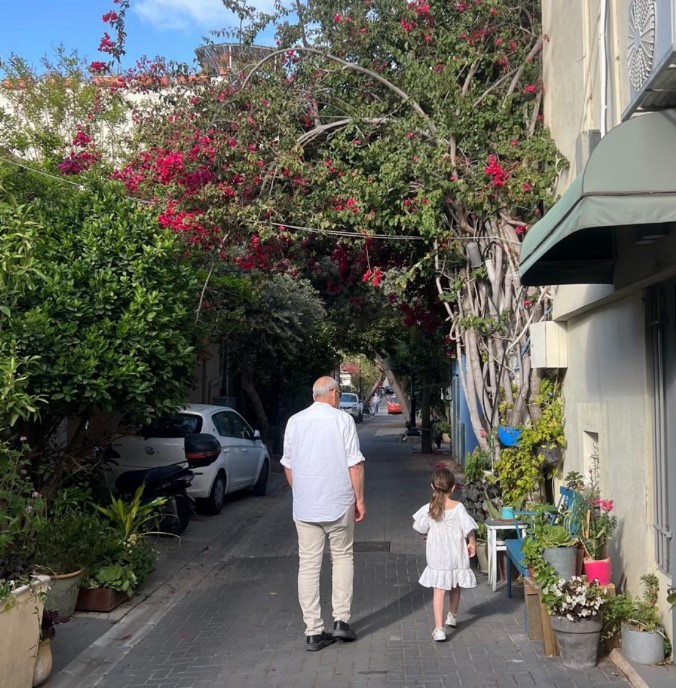
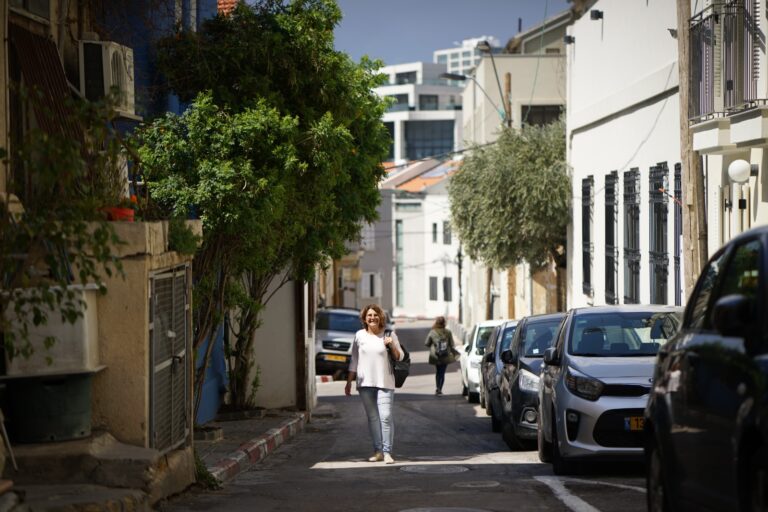
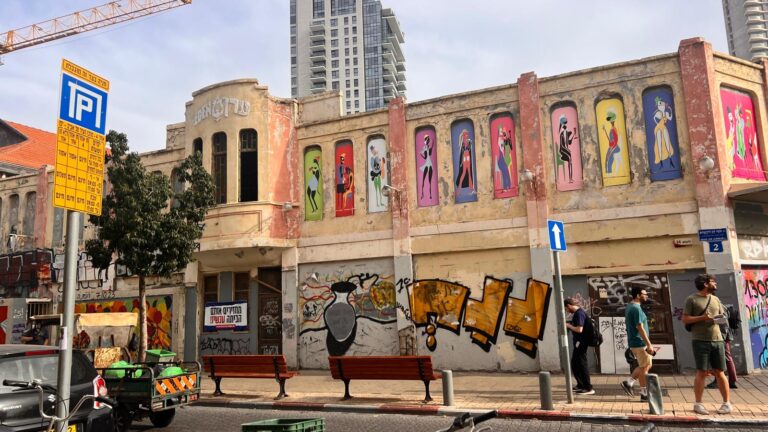
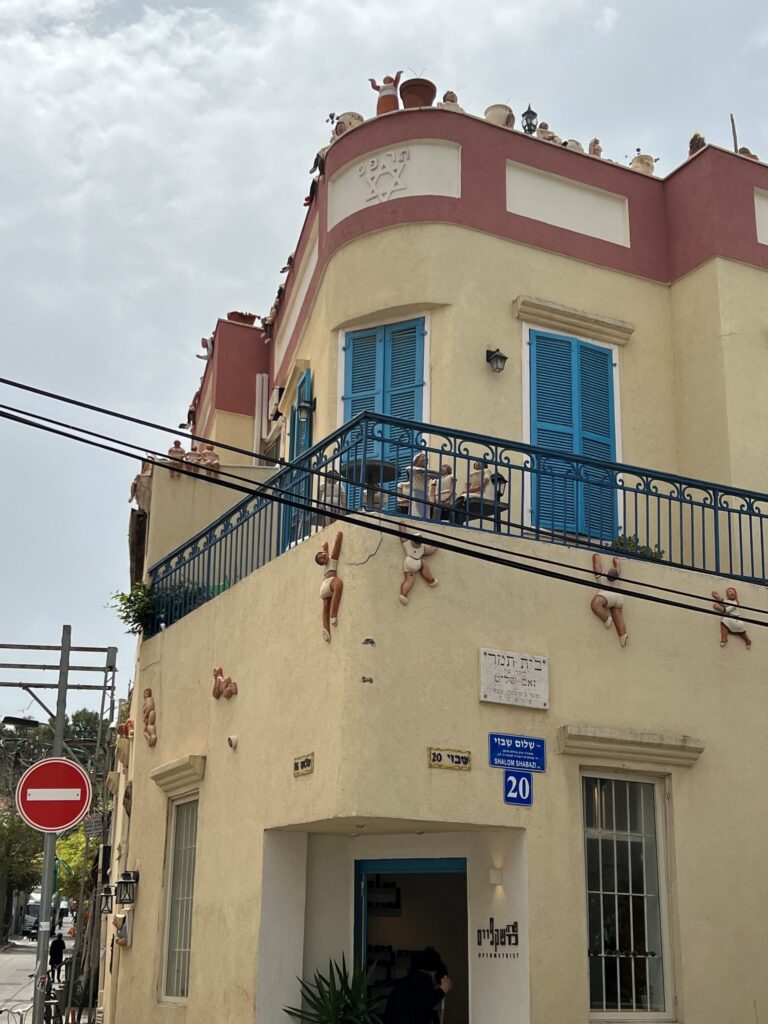
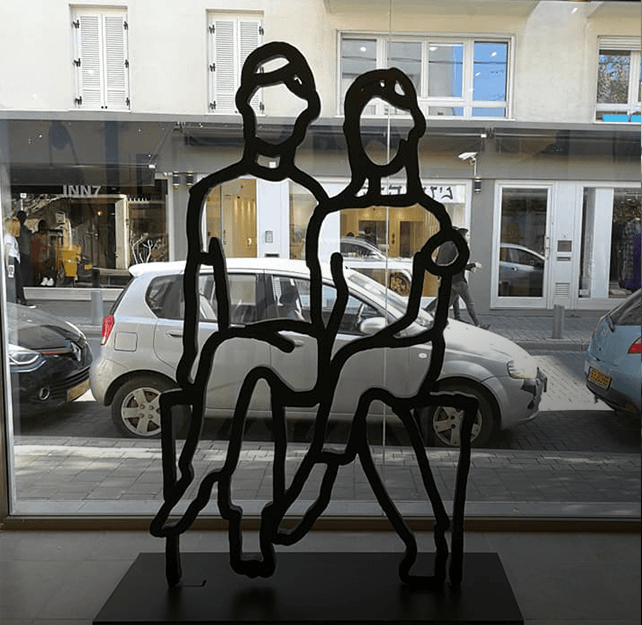
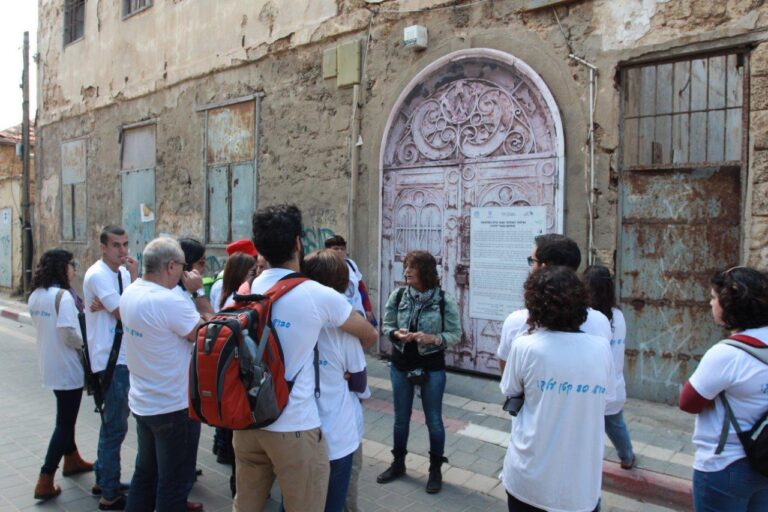
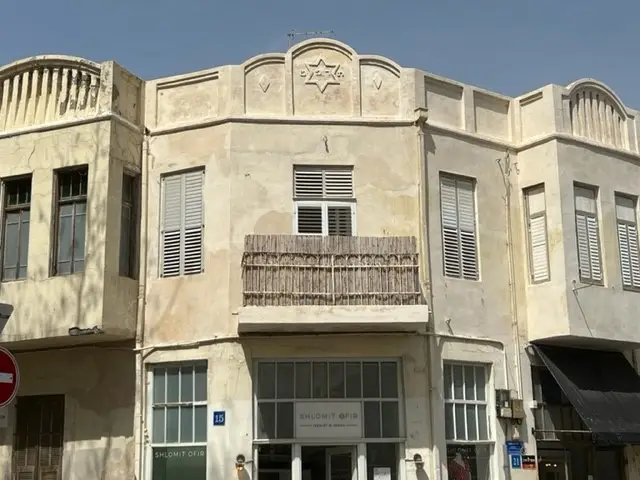
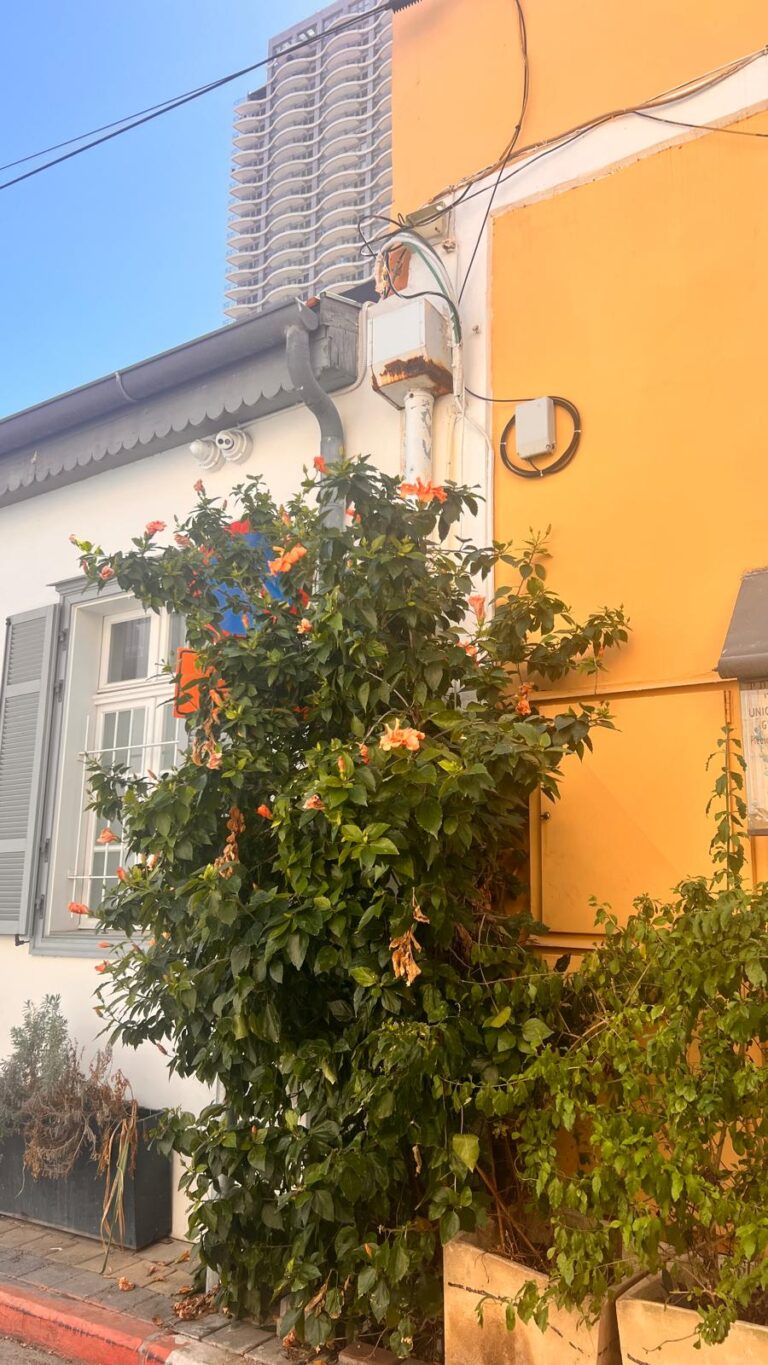
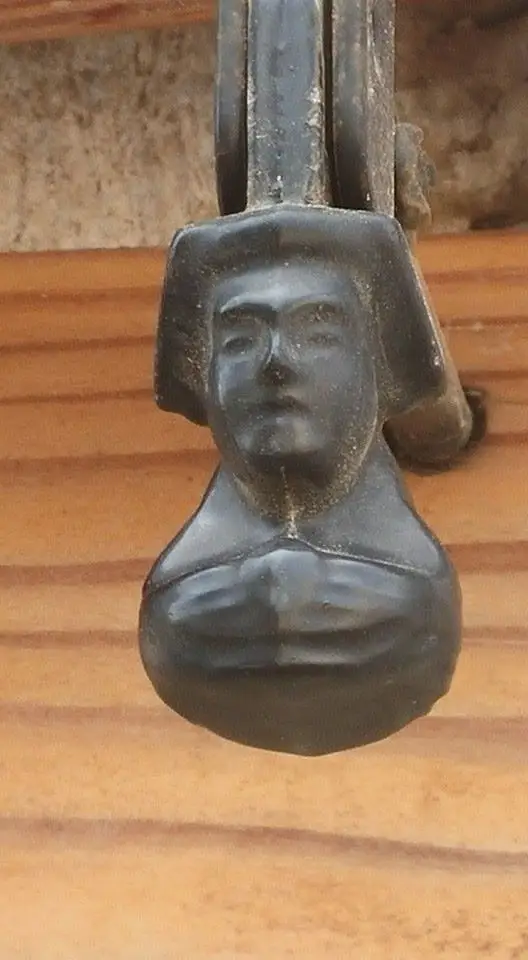
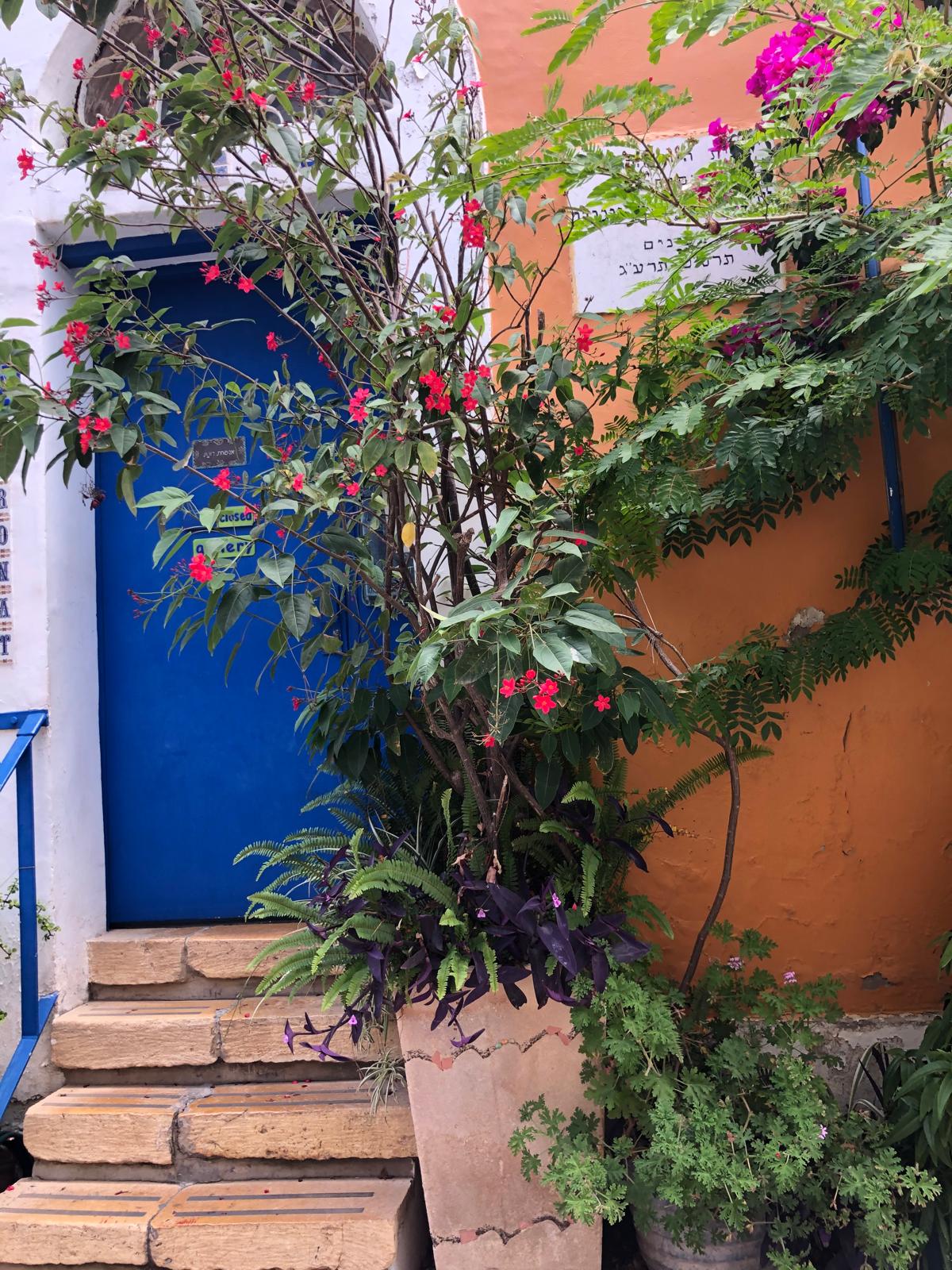
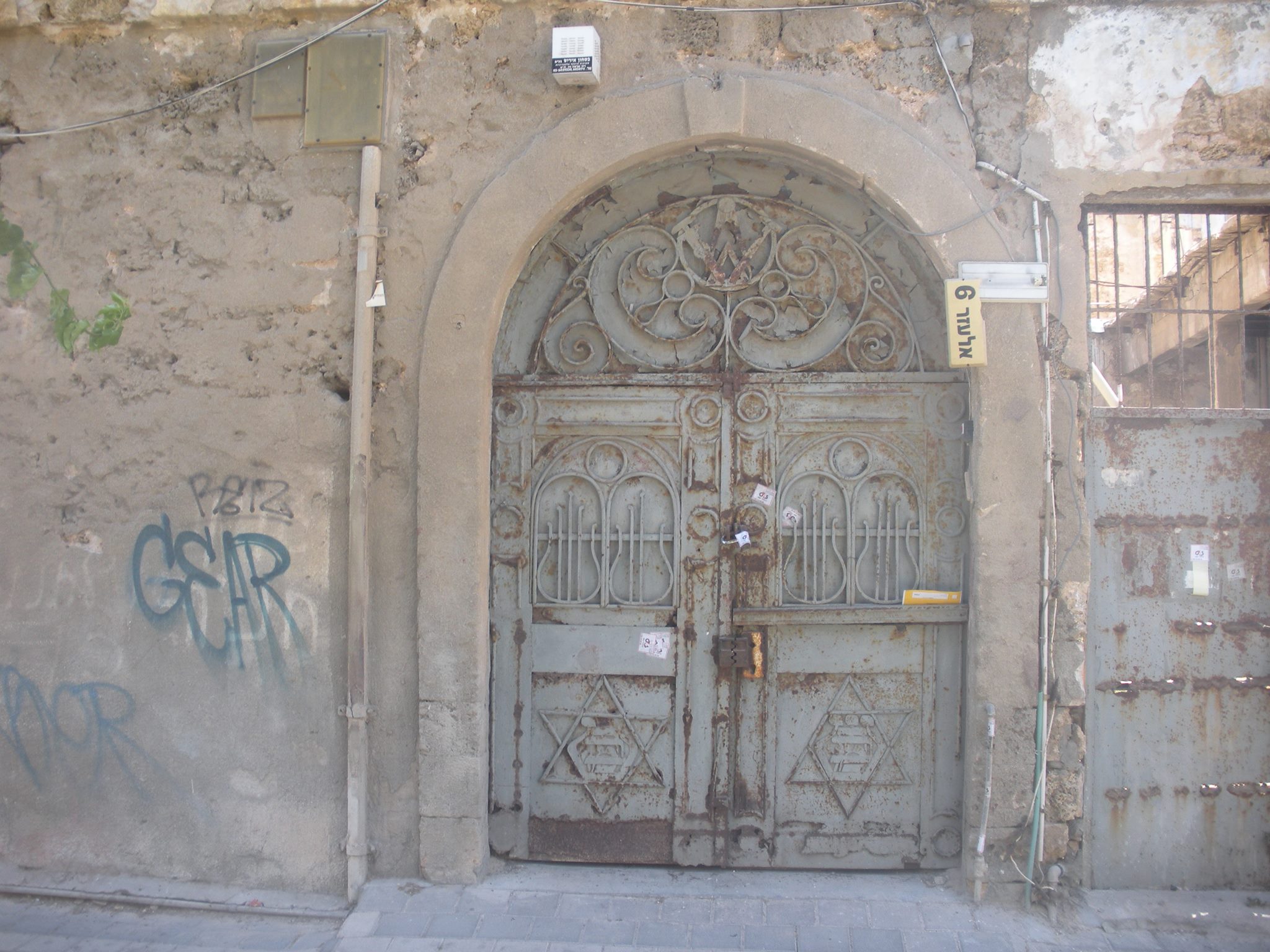
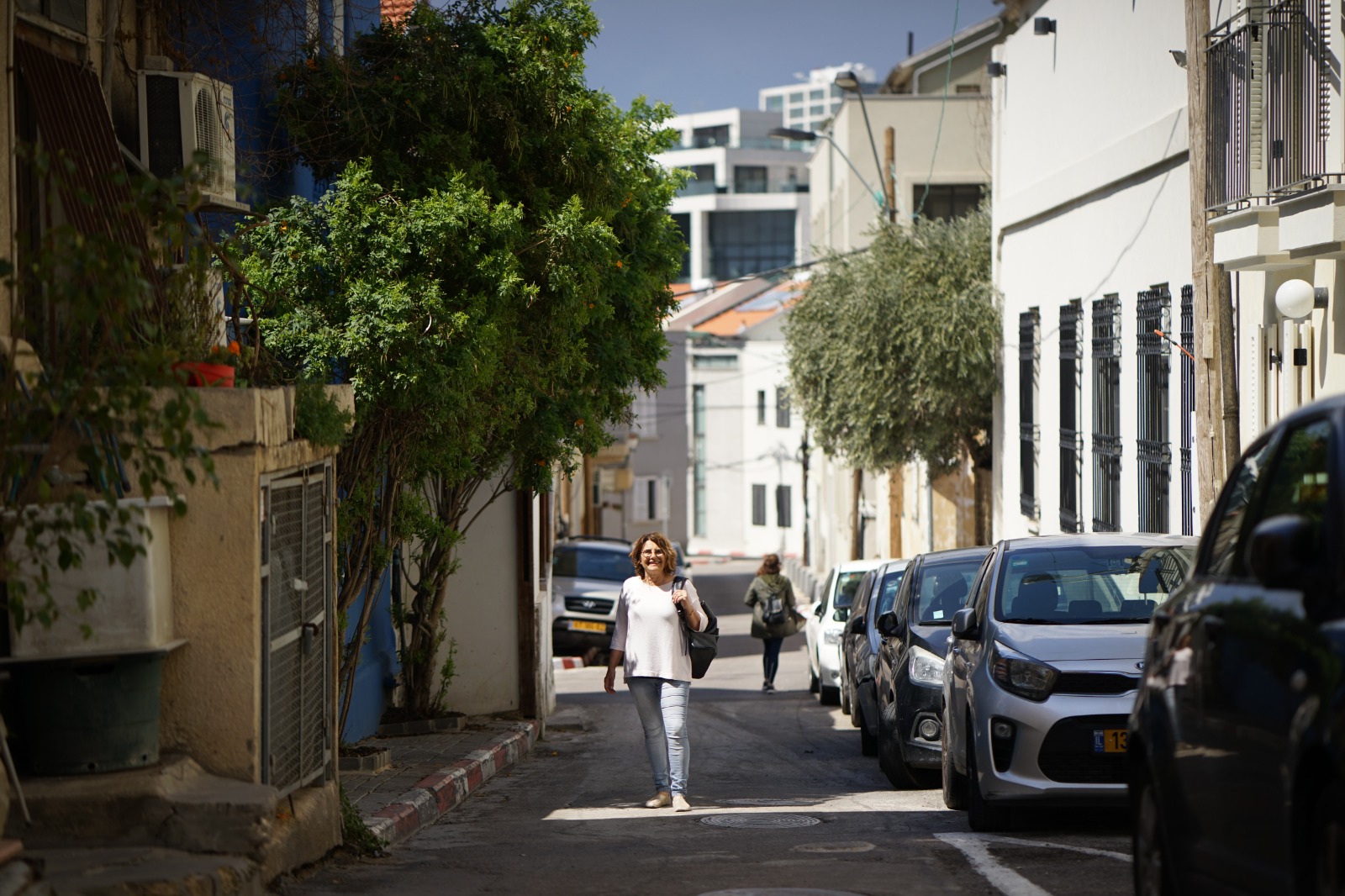
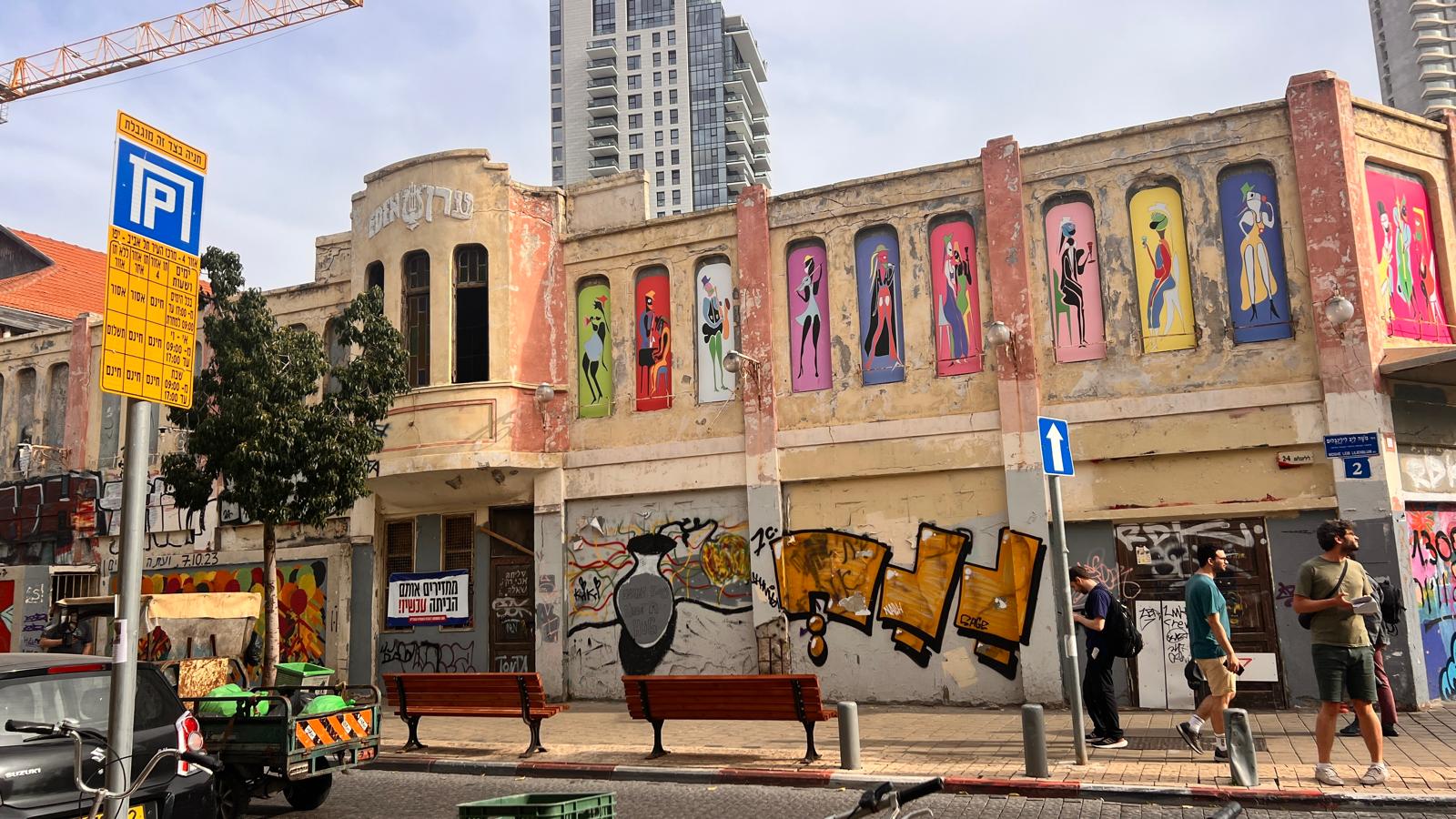
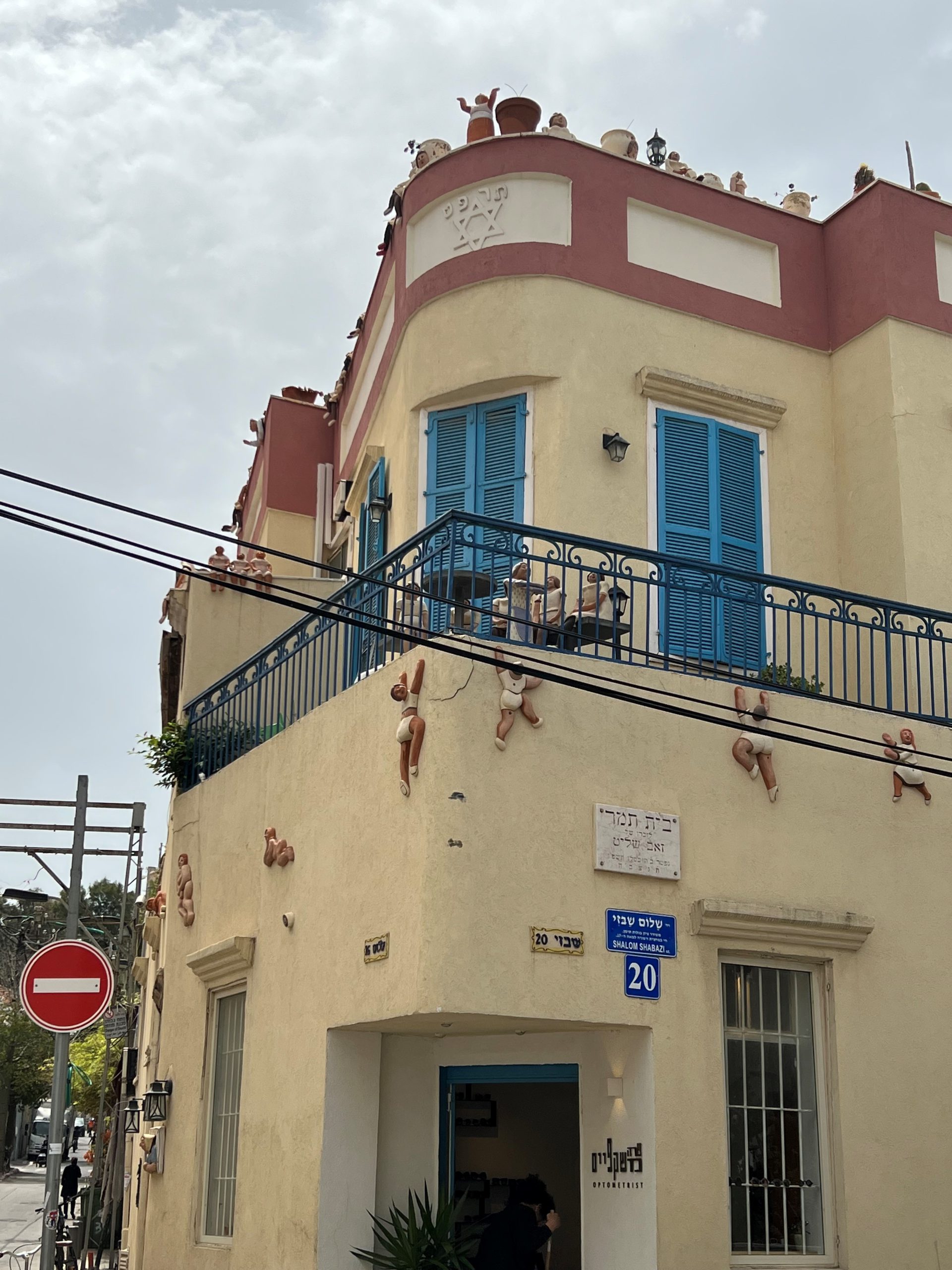
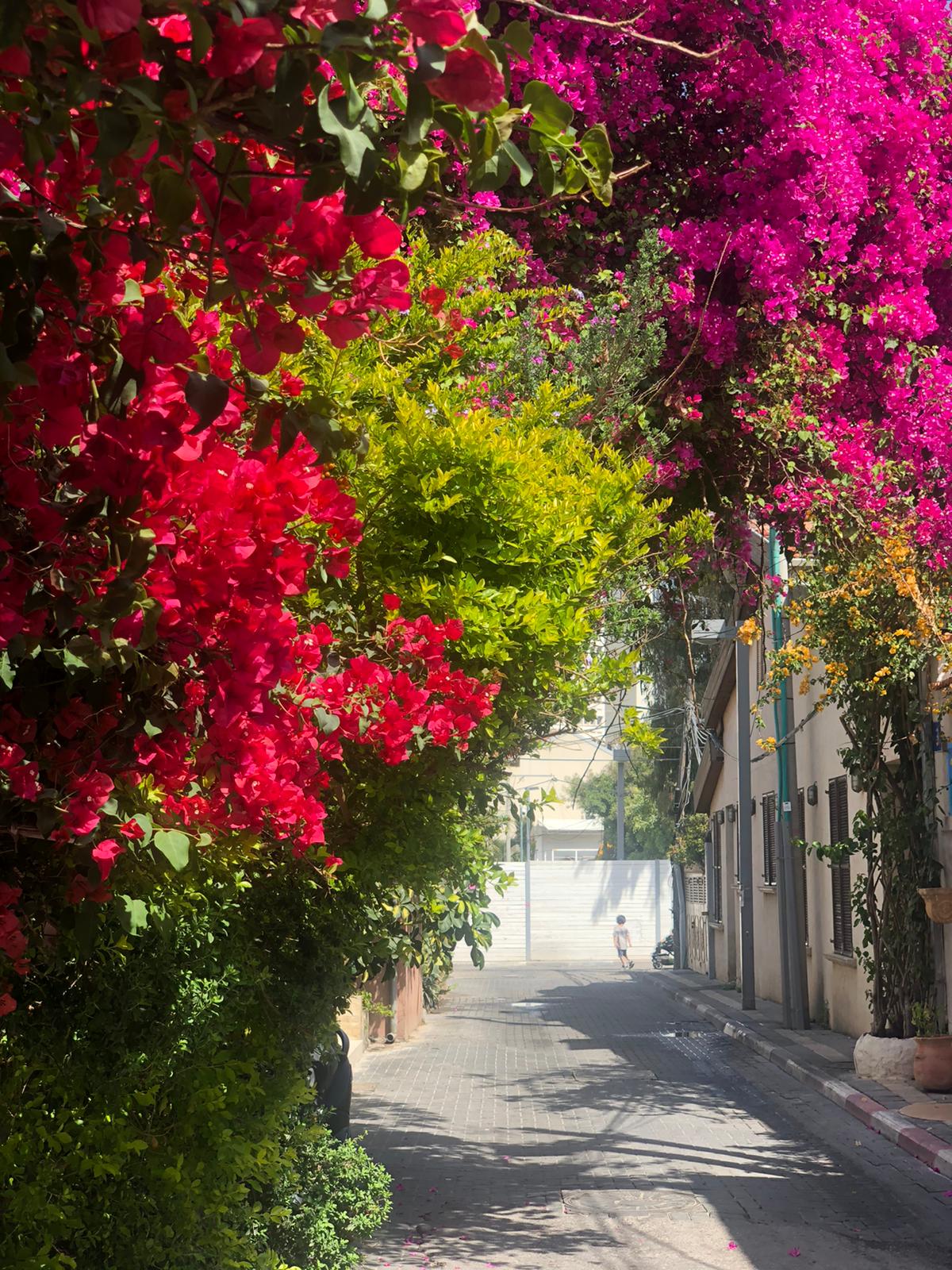
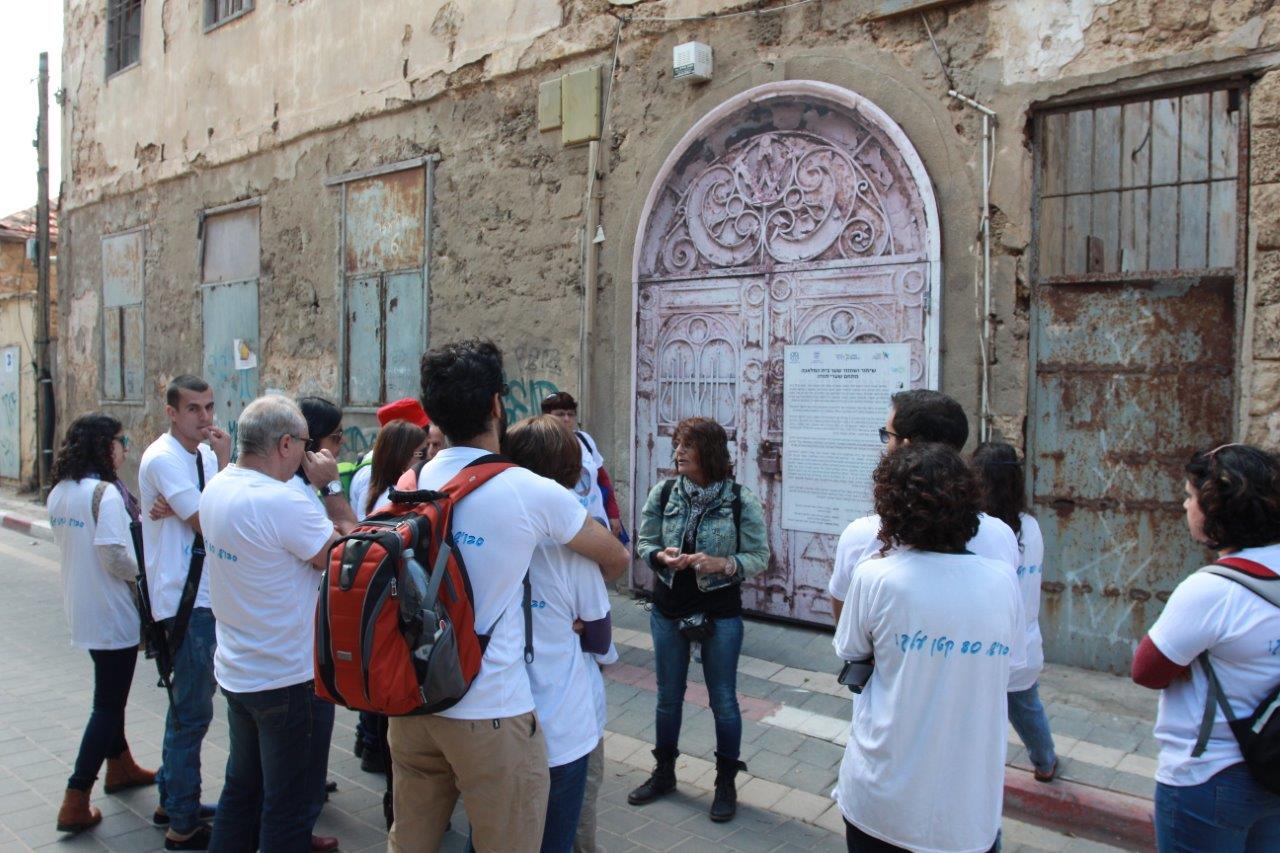
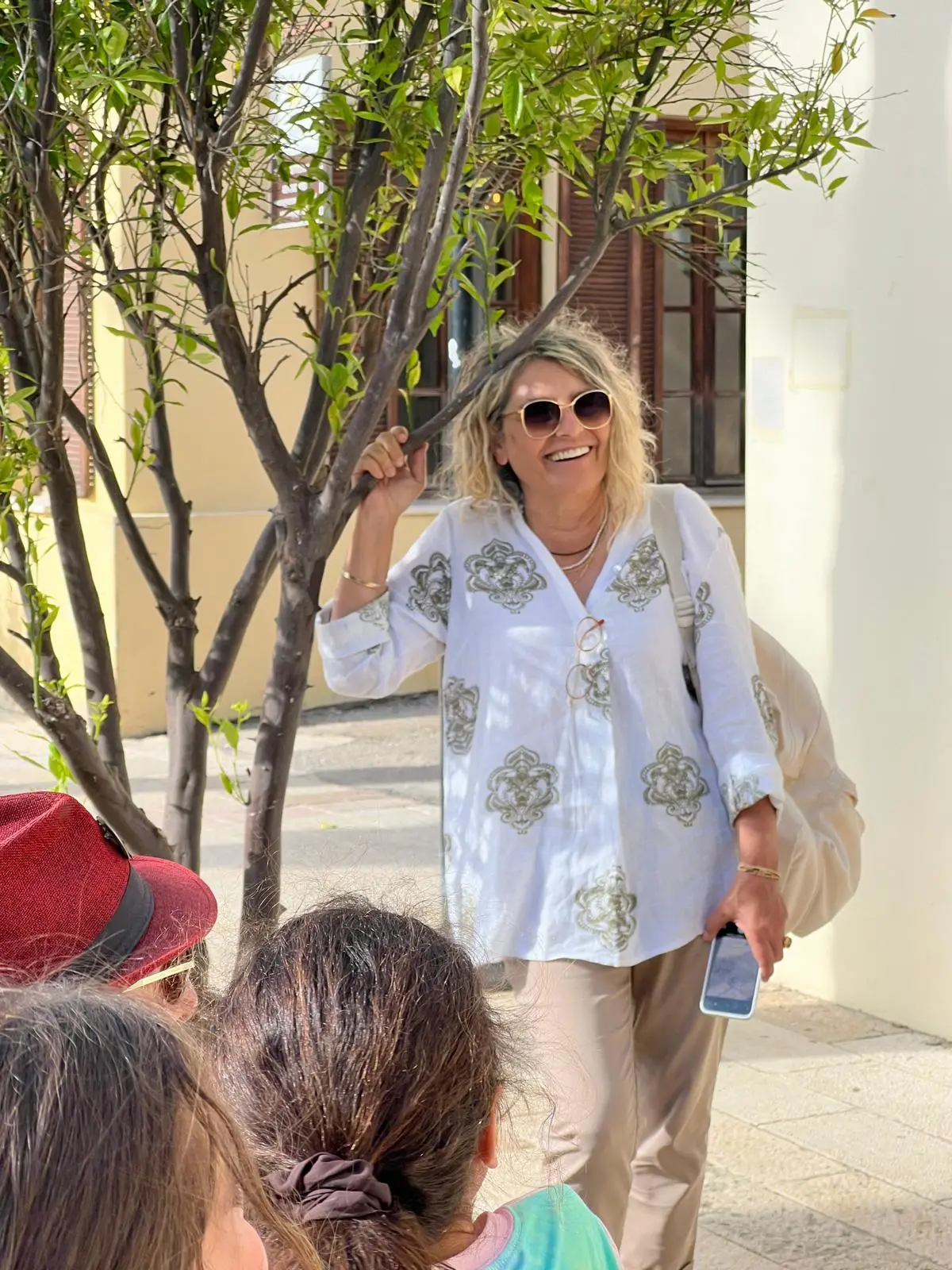
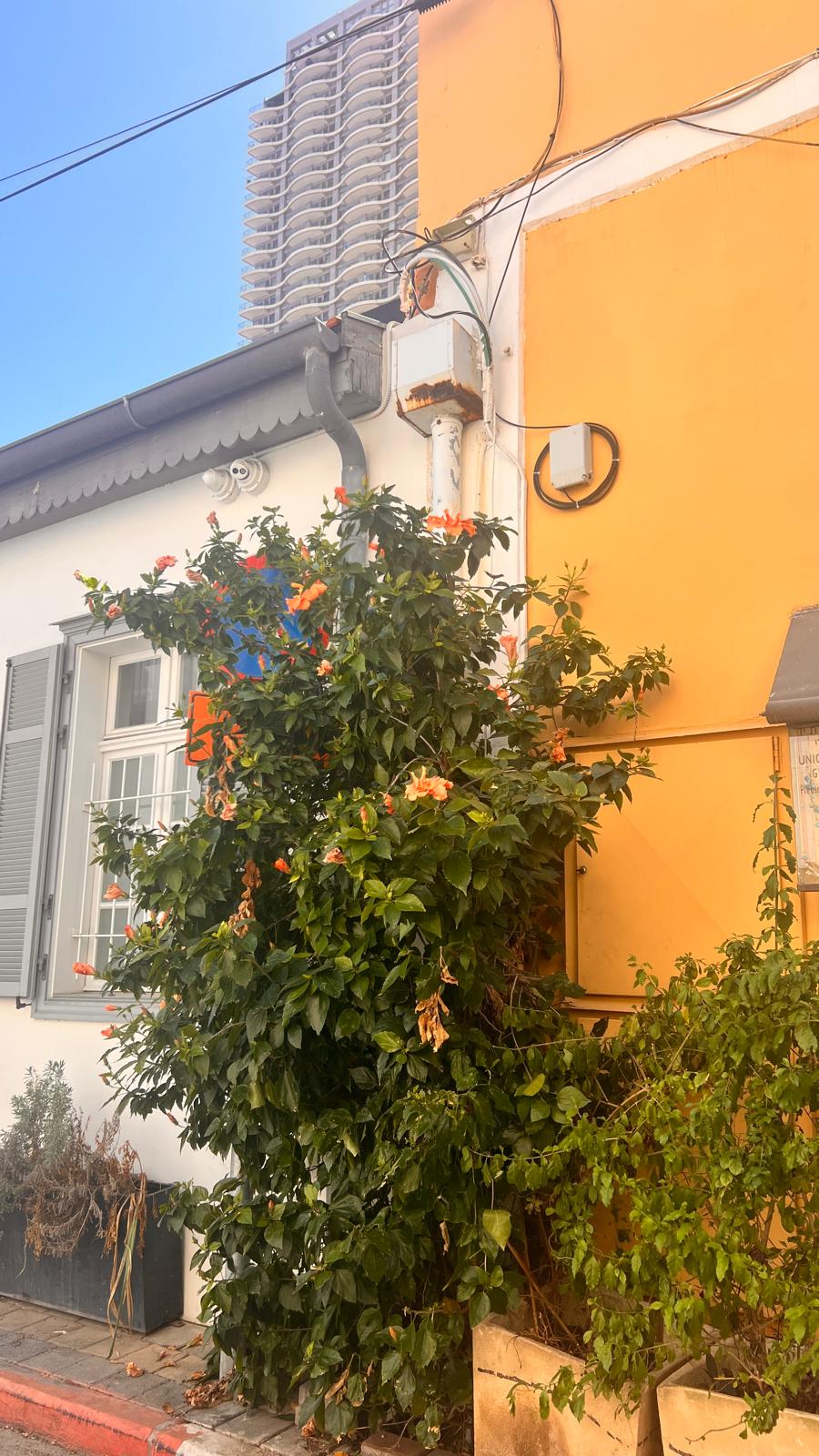
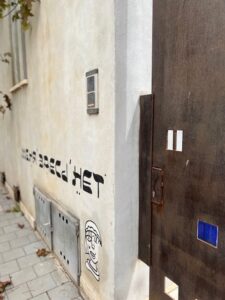
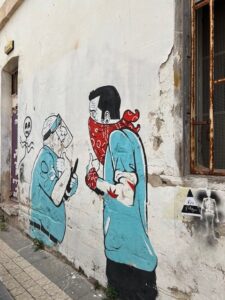
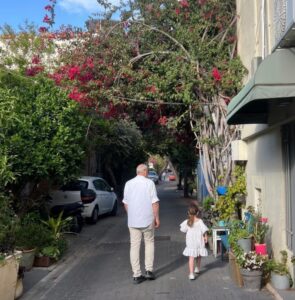
I recommend you slip away into the charming side streets. Walk and observe, because as you stroll, old and new constantly alternate, and you can discover various reliefs and decorations adorning the buildings, here and there stylish entrances, painted pavements, and signs saying, "Please keep quiet.".
The quiet here on Saturday is different because the concrete mixers that run constantly during the week, making deafening noise, are constantly renewing and changing the face of the neighborhood, even when they rest on Saturday.
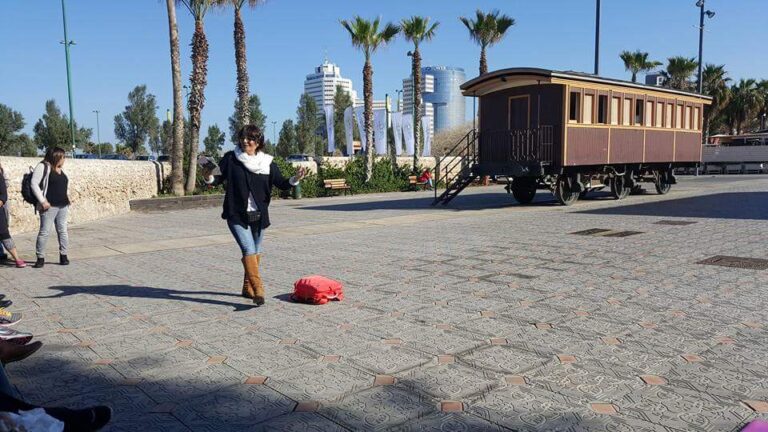
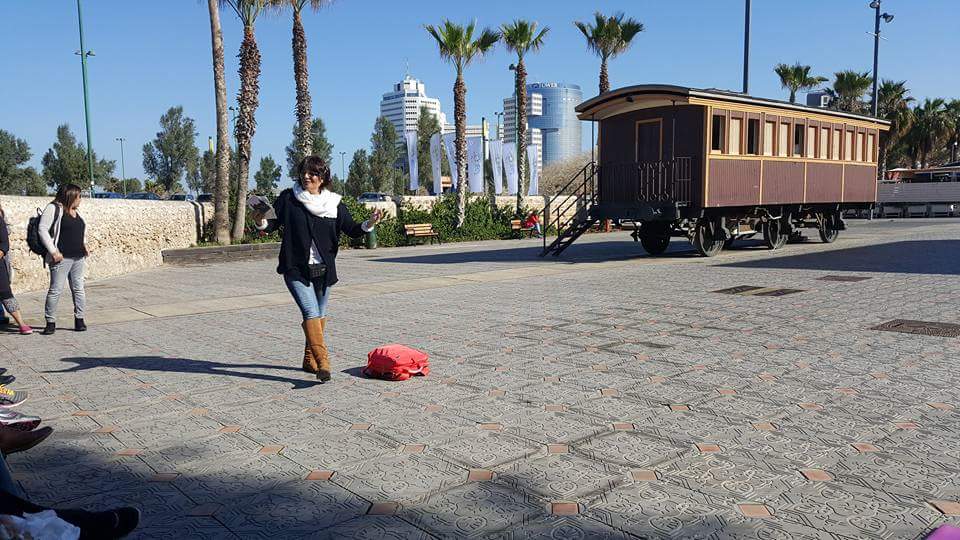
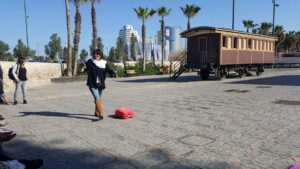
In September 1882, the sound of a train whistle was heard for the first time in the sands of Jaffa. It was the first train, connecting Jaffa and Jerusalem. The four-hour journey was a refreshing innovation, albeit expensive compared to other options.
Adjacent to the train station, a factory was built to produce painted floor tiles and concrete elements by Hugo Wieland. Today, the station buildings and factory are a leisure complex that has undergone careful restoration, and it is fascinating to hear their story. From the eastern side of the station, you can connect to the new Rail Park.
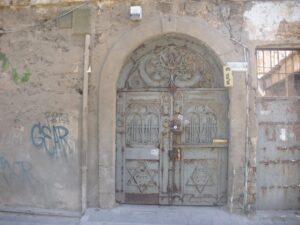
The Shaarei Torah complex in the Neve Shalom neighborhood, the slightly younger sister of Neve Tzedek, began as a place for Torah study and continued as a place where Torah scholars acquired professional and craft skills according to the teachings of Rabbi Kook, who sat here at the head of the community.
Nahum Gutman describes how the writer Yosef Chaim Brenner, who shied away from direct contact with the rabbi, would bury his shoes in the sand left behind by the rabbi, hoping that some of his wisdom would rub off on him.
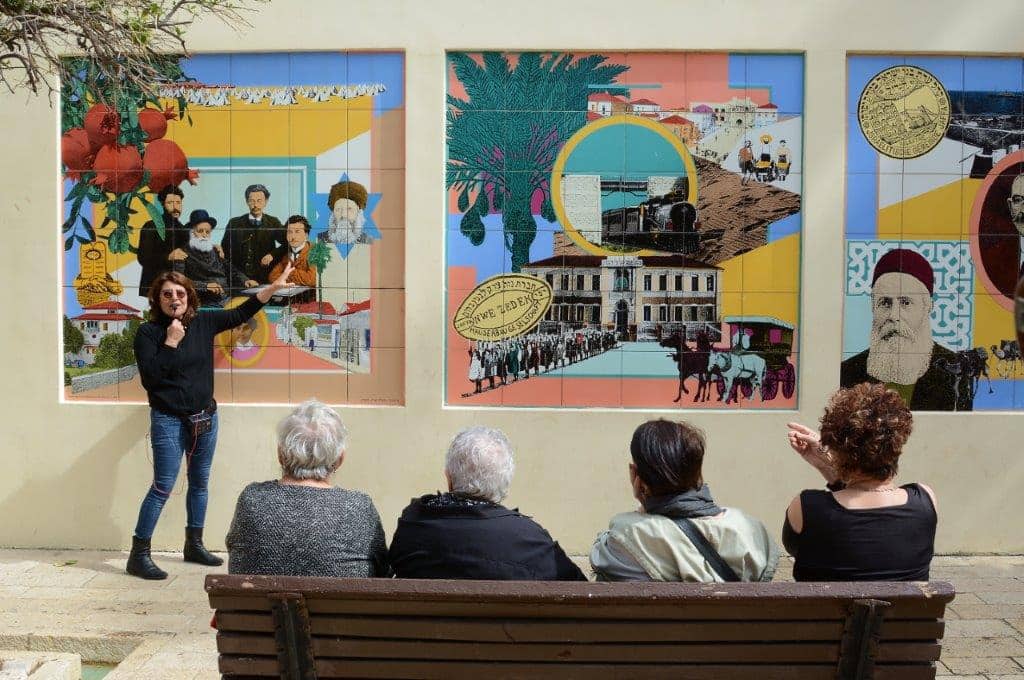
We arrived at the neighborhood's educational complex: On one side, the boys' school, Alliance, serves as a theater, and on the other side, the girls' school serves as a dance troupe. The first Levinsky Seminary was also located here.
The complex's new name – Suzanne Dellal – commemorates a family member who died in tragic circumstances, and the family donated money for the complex's restoration.
In the open space separating the two buildings, palm trees and orchard trees can be seen. Those who wish to restore the landscape of the past with irrigation ditches in the orchards.
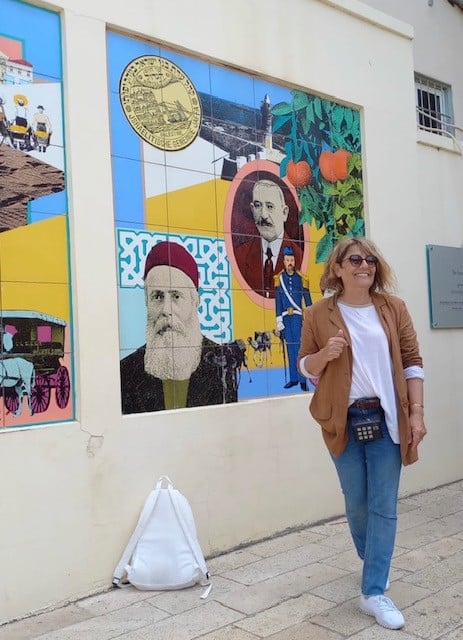
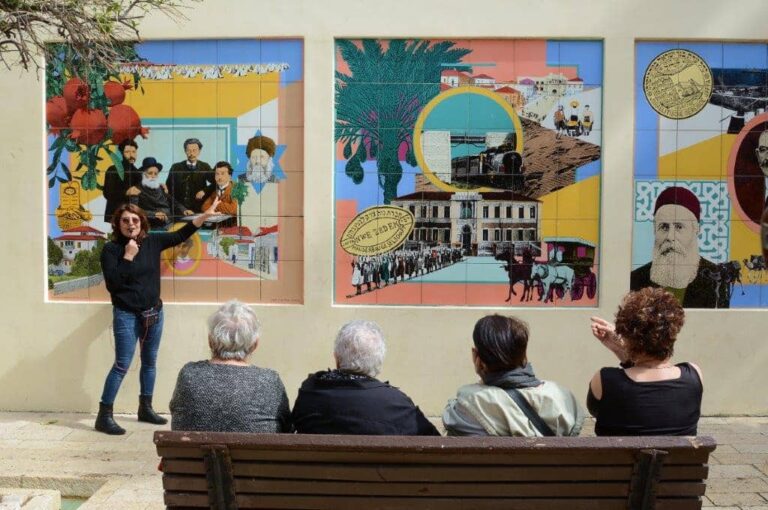
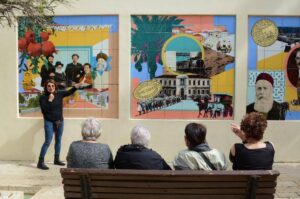
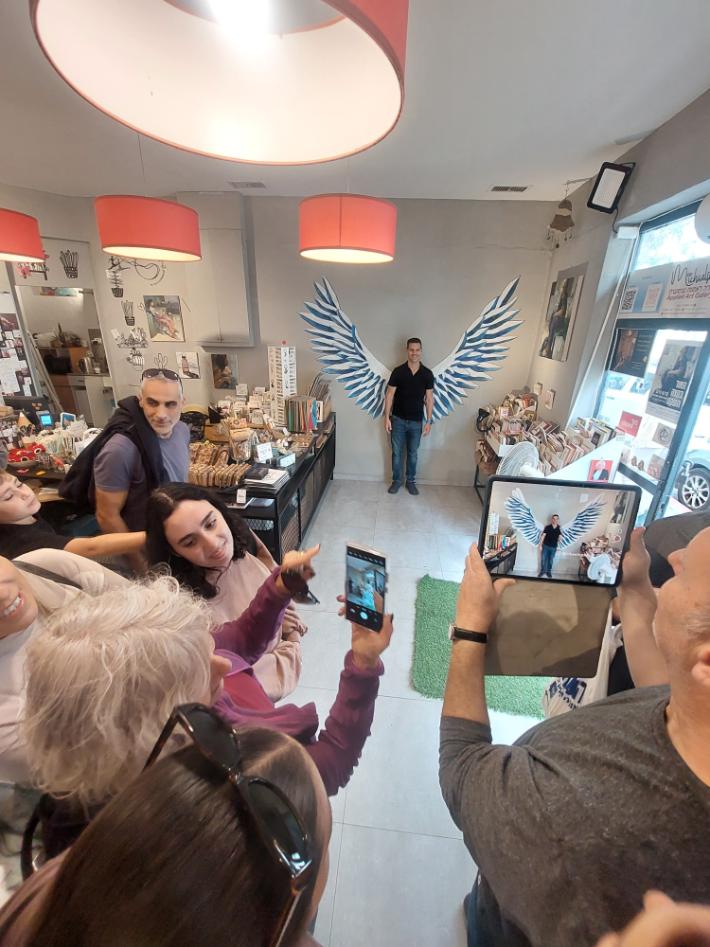
It is worth stopping by the photo wall created by David Tartakover.
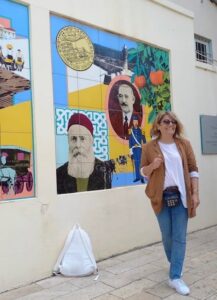
The house known by many as 'the first Jewish house outside the walls of Jaffa' is not actually the first. But it became a symbol because Aharon Shalosh was the man who purchased the land for the neighborhood, thereby laying the foundations for the first separate Hebrew neighborhood.
Next to the magnificent house stands the synagogue built by Shlosh and Eucalyptus. He planted two of them in his yard. Nothing remains of the tile factory that his sons built next to their home. Aharon Shalosh, who arrived in Israel as a 7-year-old boy, left behind a large family and many stories.
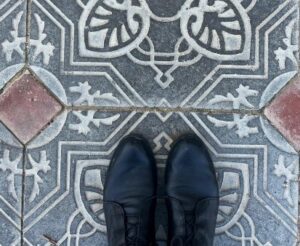
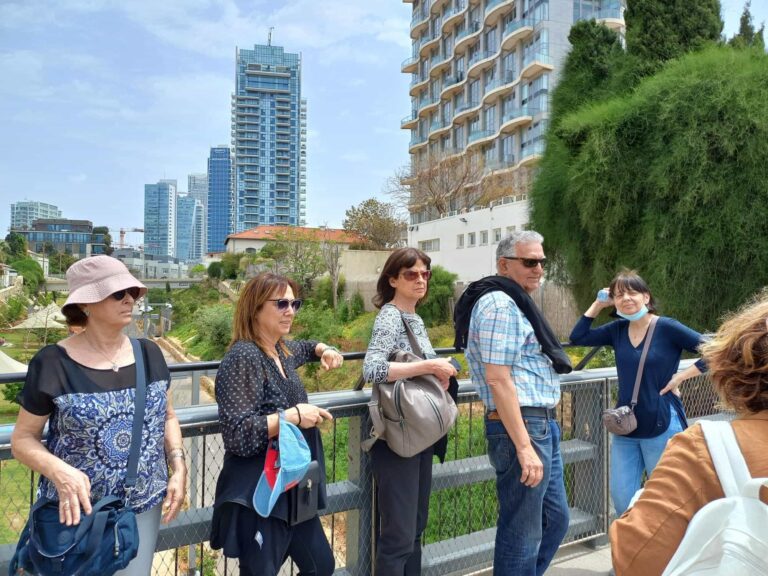
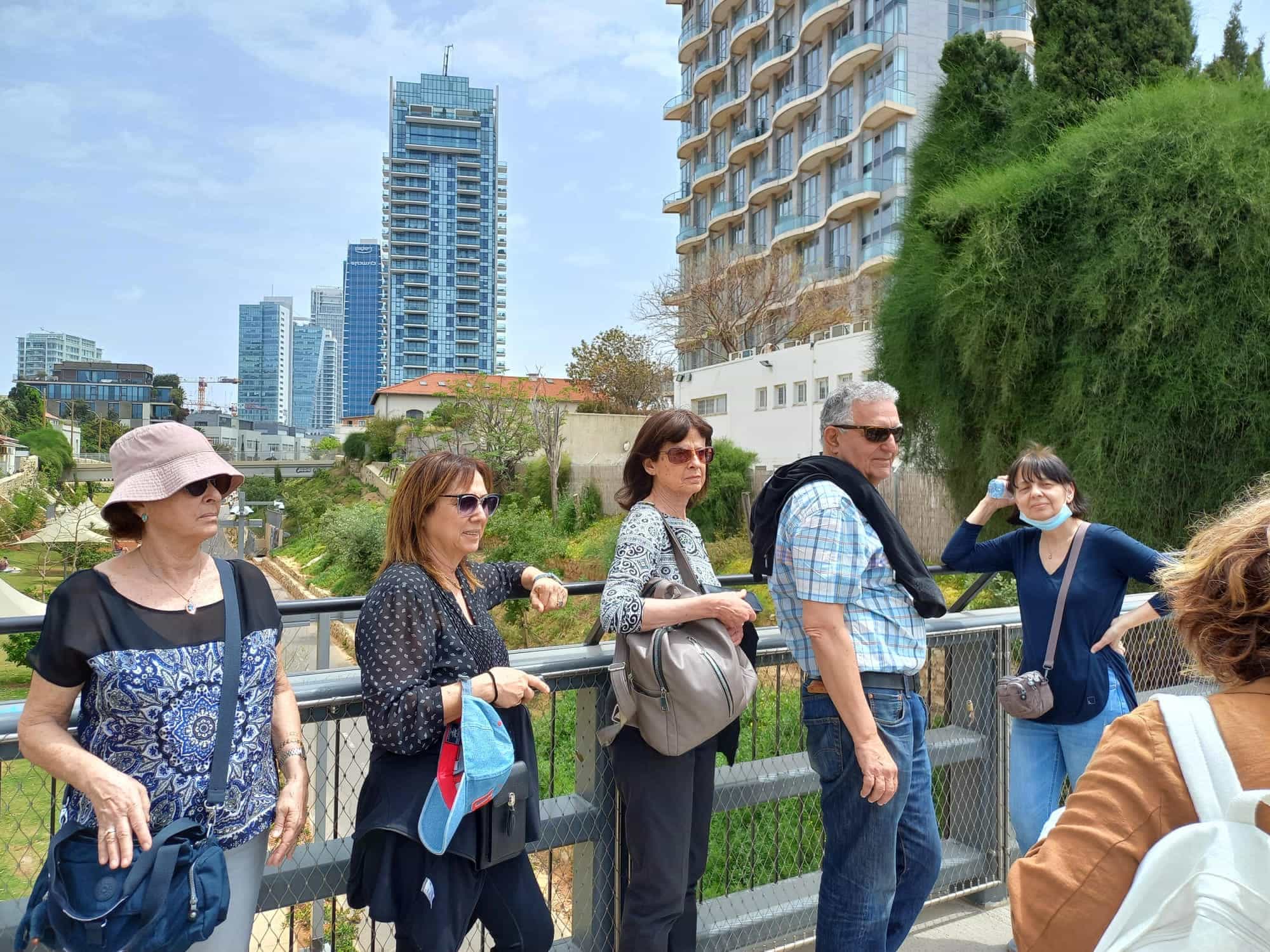
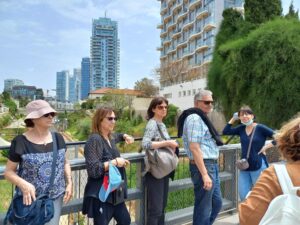
We are standing on the bridge known as Bridge Three. With a little imagination, you can hear the sound of the train rattling along right here beneath us.
Many stories, both different and similar, are associated with the small bridge built over the railroad tracks connecting Jaffa and Jerusalem, but asAnd we became attached to the figure of Aharon Shalosh, the man who purchased the land on which the neighborhood was built. He is therefore considered a pioneer of independent Jewish settlement outside Jaffa.
Shlomo, known as a respected merchant and businessman with considerable wealth, would leave his home in the neighborhood every morning to go to his business in Jaffa.
One day, according to legend, his horse stumbled on the railroad tracks, tripped, and fell, and Lord Shlosh fell with it. Fearing lawsuits and in order to compensate him, the local government built the bridge in his honor.
A nice story, but to be more practical, Shalosh was one of the agents of the Parisian company for public works and the construction of Jerusalem, the same company that operated the railway, as testified by his son, Yosef Eliyahu:
"In recognition of my father's work, he was asked to build the bridge over the canal that connects Jaffa and Neve Tzedek."
From the bridge, you can see houses with tiled roofs., The houses of the Templer neighborhood that stood here, located on the historic Jaffa-Tel Aviv road.
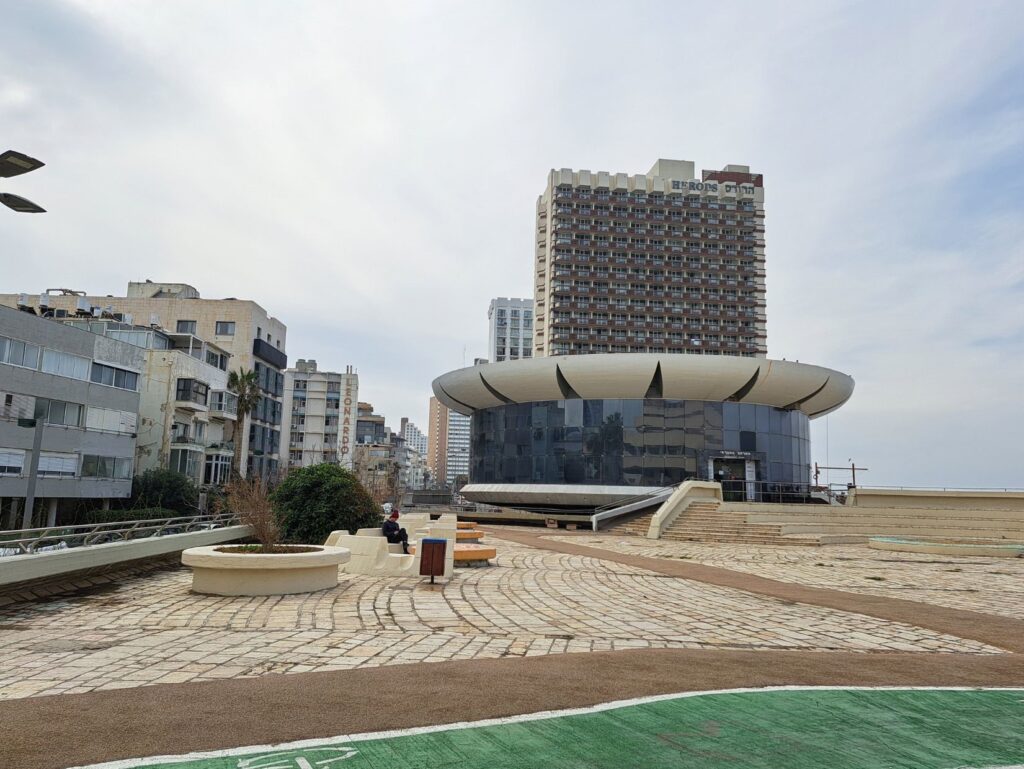
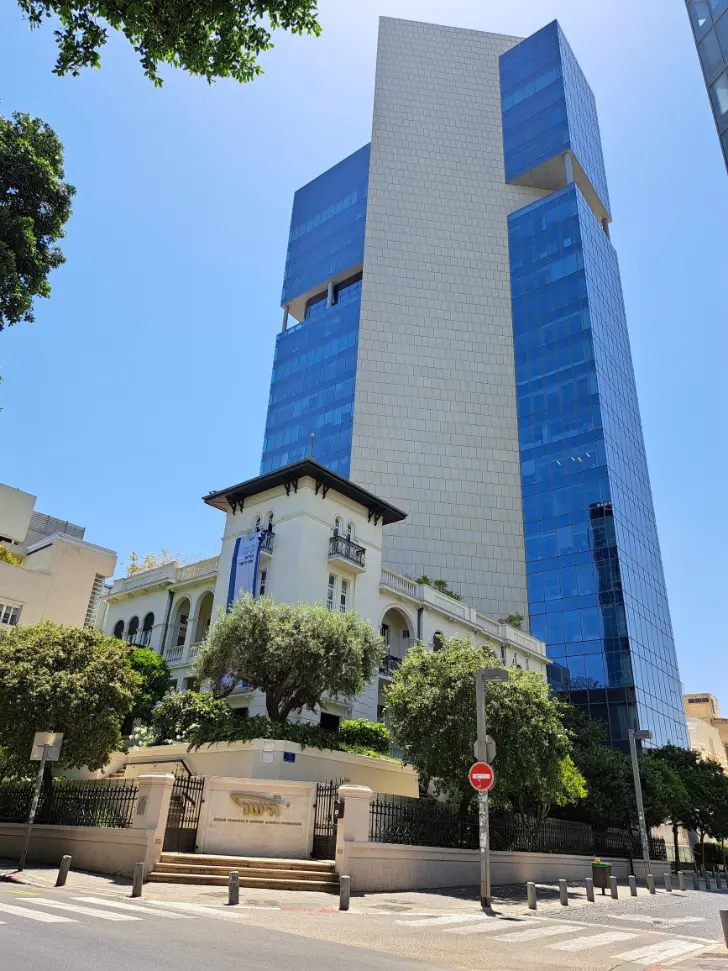
Among the low-rise buildings stands the Neve Tzedek Tower, which, when it was built, seemed out of place in the surrounding landscape, but today is one of a chain of towers built around the neighborhood and referred to by its residents as the "stranglehold.".
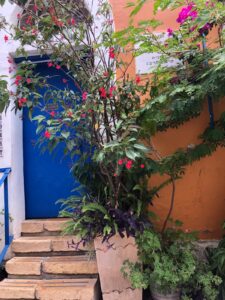
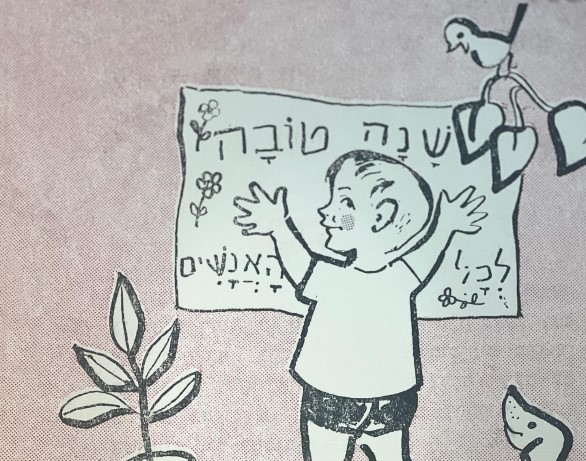
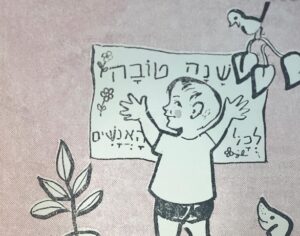
The building known as 'The Writers' House" serves as the Nahum Gutman Museum. The house where he grew up, Until the move to the new neighborhood, Achuzat Bayit was located two streets away. It is worthwhile and recommended to visit and get to know the work of Gutman, who presented Tel Aviv to us through the loving and innocent eyes of a child.
In the photo: Illustration by Nahum Gutman from the museum shop (all rights reserved by Nahum Gutman)
This was the home of Rebecca and Shlomo Abulafia, who were among the founders of the Beit estate. The small room and the balcony in front of it, facing the street, were home for a short time to the writer and Nobel Prize winner for literature, S.Y. Agnon.
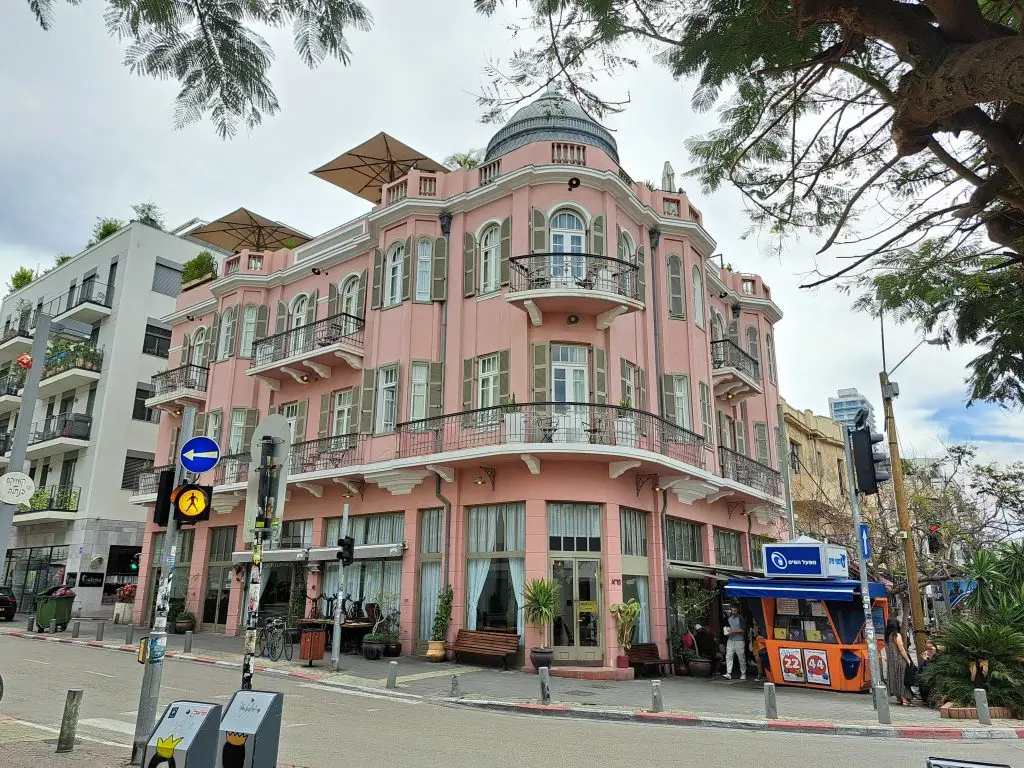
On the edge of the Neve Tzedek neighborhood stands the home of Shimon Rokach, one of the founders of the Ezrat Achim association and the Neve Tzedek neighborhood. Shimon Rokach was nicknamed "Ha-Shal" (the Rabbi), a nickname derived from the initials of his name. The writer Moshe Smilansky described him as follows: "Anyone who did not see Shimon Rokach in his youth, dressed in a white robe and a white silk cap... has never seen a proper Jew, a Jewish prince..."
But that's not the end of the house's transformation, which has now been turned into an escape room. Will you be able to solve the mystery?
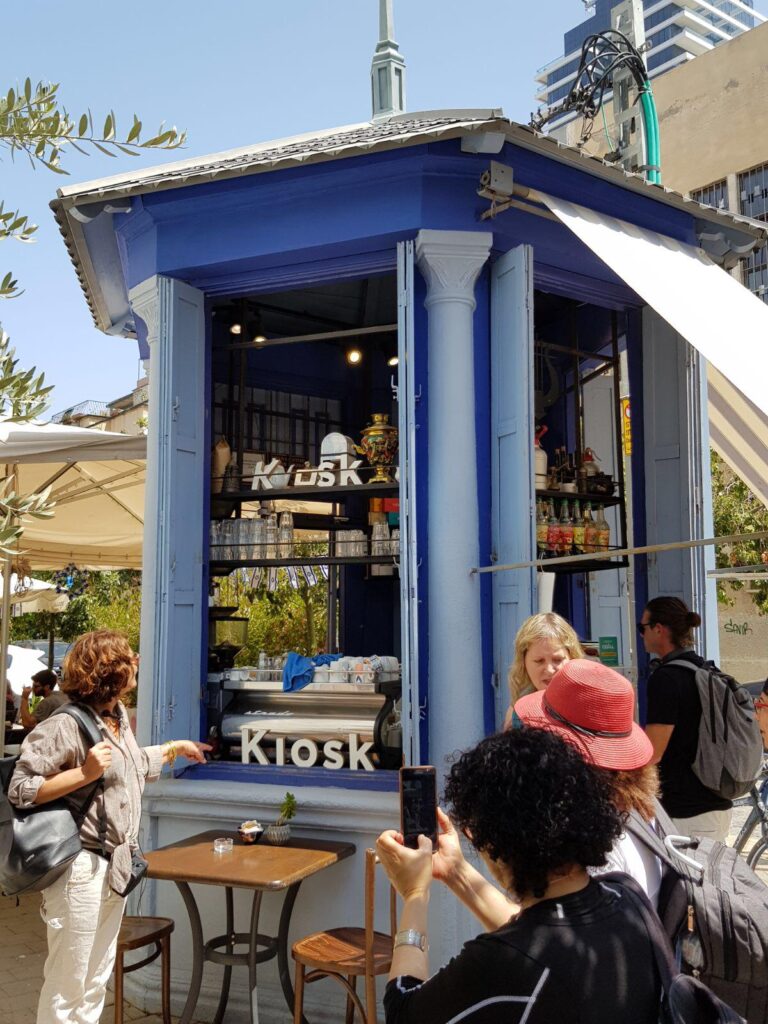
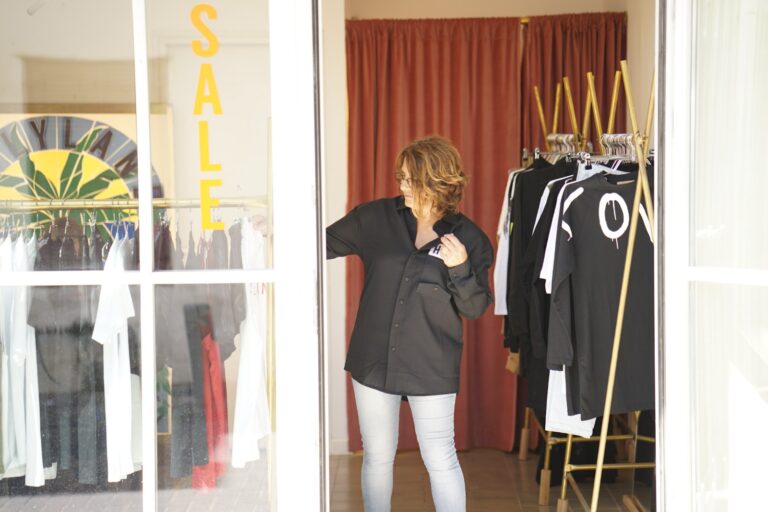
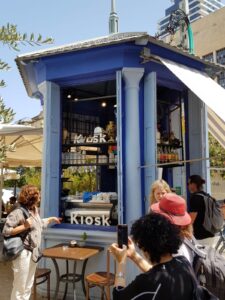
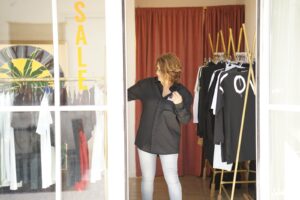
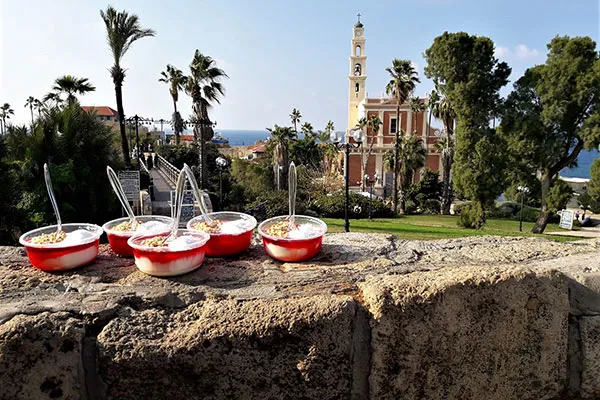
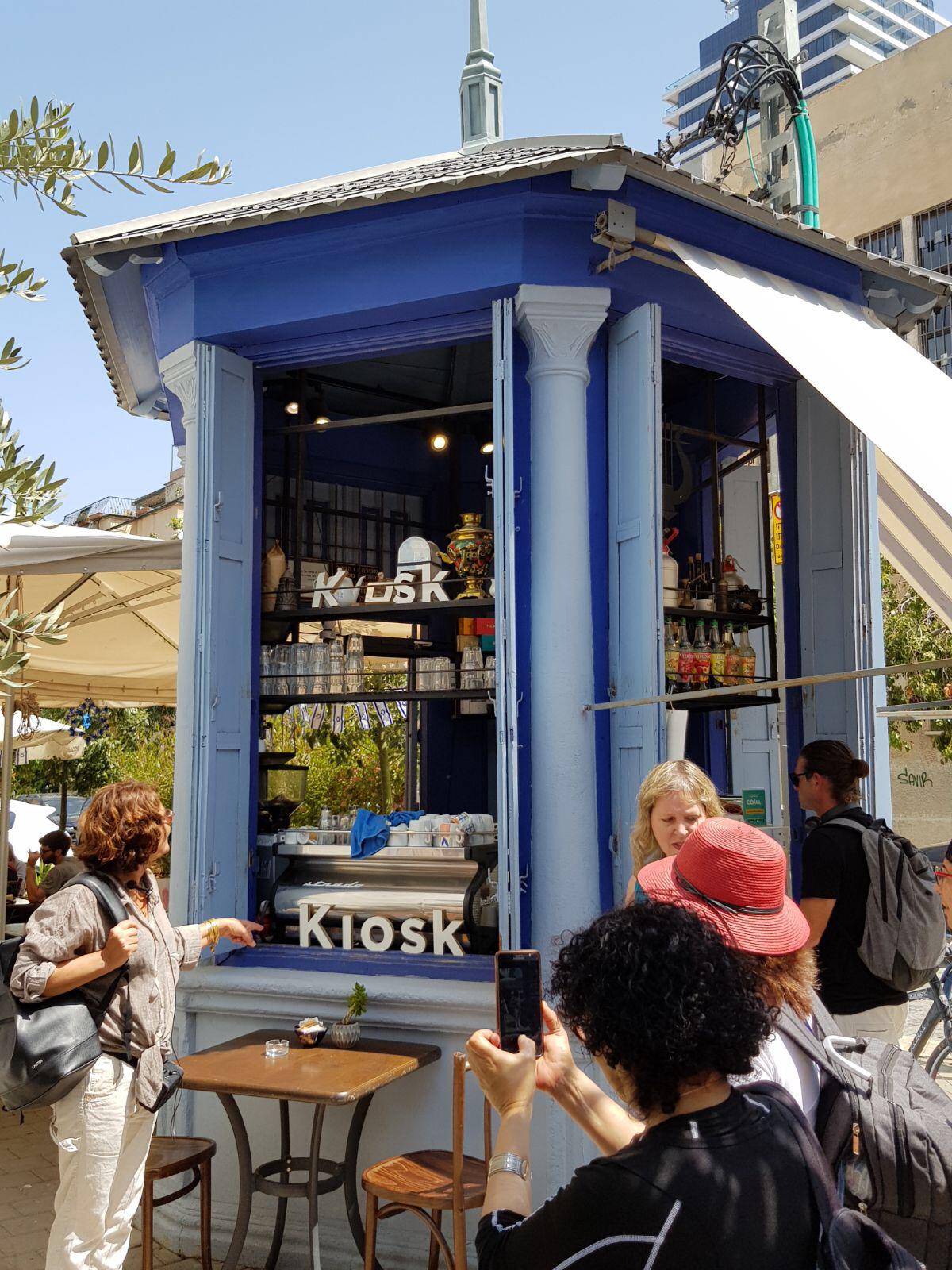
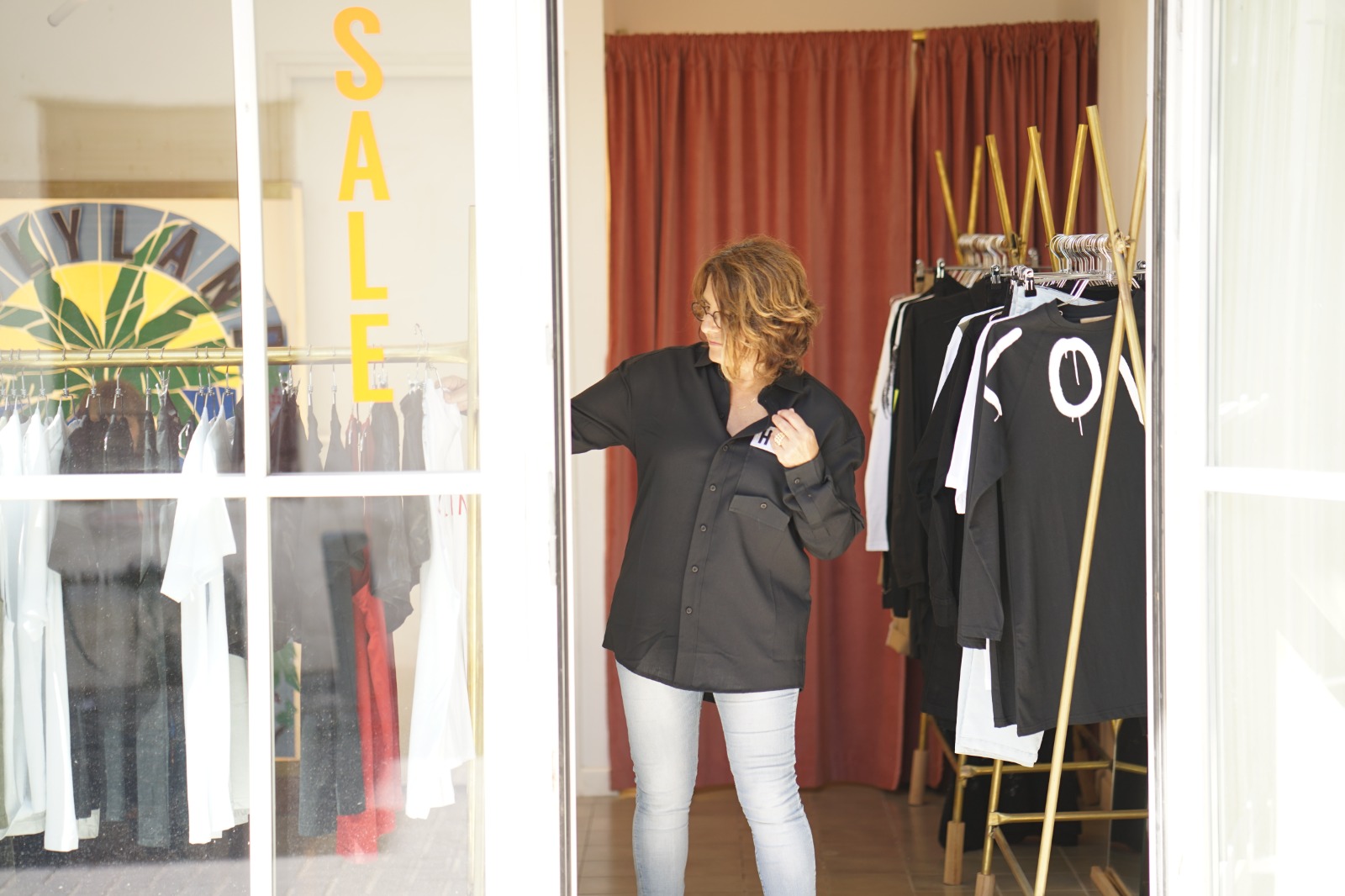
After the tour, you are invited to get lost in the alleys we didn't walk through, visit the shops, taste the delicious ice cream in the center of the neighborhood, maybe even find a bench and sing the Tel Aviv love song written by Nathan Alterman, inspired by one of the films he saw at the cultural institution that was later built at the edge of the neighborhood, Eden Cinema: "Rina, I love the sky/ Rina, I love the bench."
After the tour, you are welcome to get lost in the alleys we didn't walk through, visit the shops, taste the delicious ice cream in the center of the neighborhood, maybe even find a bench and sing the Tel Aviv love song written by Nathan Alterman, inspired by one of the films he saw at the cultural institution that was later built at the edge of the neighborhood, Eden Cinema: "Rina, I love the sky/ Rina, I love the bench.".