A tour of Tel Aviv landmarks from the life of Arik Einstein
All photos (11)
1 / 11
Technical details
Price
$150 per person
₪1,500 For a private tour
Your forehead is adorned with black gold
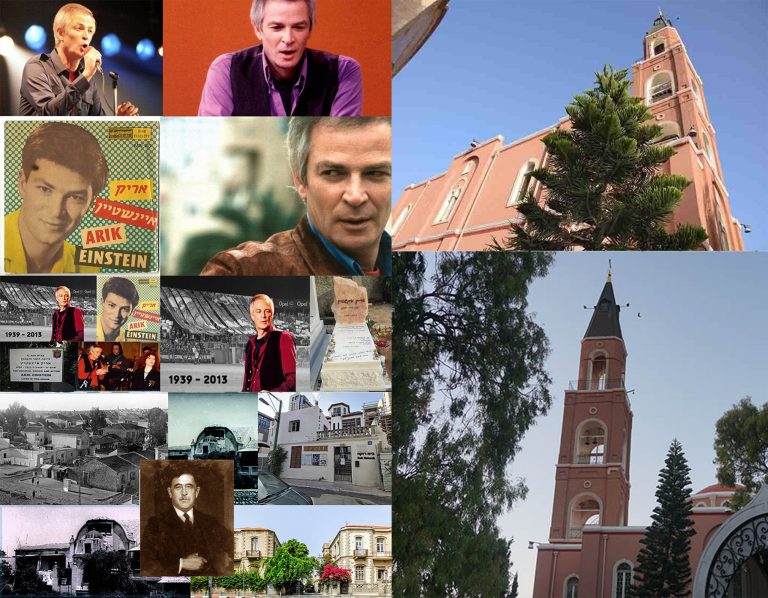
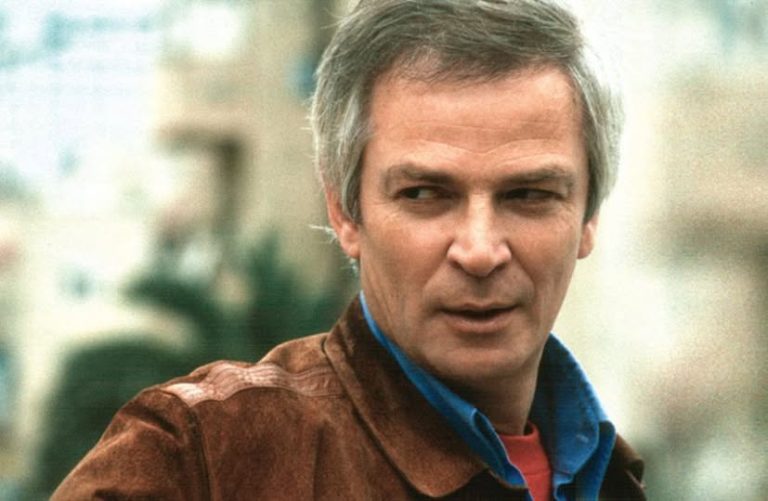
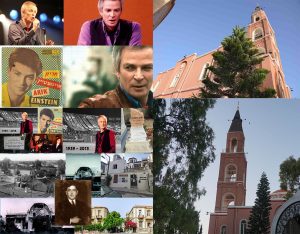
A special tour accompanied by songs and recordings of interviews with him, focusing on several stages of his life. EricEinstein In the city or mentioned in his poems. Among other things, his birthplace on Gordon Street, his studies at the school for workers" children, KKL Boulevard, Kesit, the Ohel Theater, his last home in Hovevei Zion, and the Trumpeldor Cemetery.
Arik Einstein, may his memory be a blessing, was not only the soundtrack to the songs of the Land of Israel...
Your forehead is adorned with black gold
A special tour accompanied by songs and recordings of interviews with him, focusing on several stages of his life. EricEinstein In the city or mentioned in his poems. Among other things, his birthplace on Gordon Street, his studies at the school for workers" children, KKL Boulevard, Kesit, the Ohel Theater, his last home in Hovevei Zion, and the Trumpeldor Cemetery.
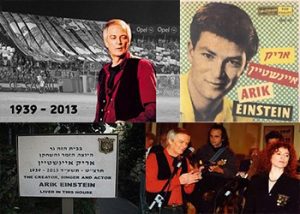
The late Arik Einstein was not only the voice of Israeli songs and one of the greatest singers of his generation., but also a Tel Aviv personality through and through. Einstein was born, raised, lived, created, and worked in Tel Aviv.
Tel Aviv and Arik Einstein were a love story. He never betrayed her with another city. Many of Arik Einstein's songs deal with memories of Tel Aviv from his youth and adulthood, and with stories of the city, its streets, and many of its sites, such as the banks of the Yarkon River, the old Maccabi Stadium, the promenade, the beach, and even the city's Shabbat, which also holds a place of honor in his songs from recent years.
Arik Einstein also starred in quite a few films. which took place in Tel Aviv and highlighted the city's atmosphere in the 1950s and 1960s, such as peeping, big eyes, and others.
Tour structure:
The house where Arik Einstein was born and raised
The first stop on the tour of Arik Einstein's life in Tel Aviv is the house where he was born and raised, at 31 Gordon Street.
Arik Einstein was the son of Ohel Theater actor Yaakov Einstein, and his father lived in the Ohel actors" residential complex. Chana Robina, for example, lived across from him in a house that was part of the Habima actors" complex.
The schools where Arik Einstein studied
The Northern Education Center, located at 248 Hayarkon Street, now known as the A.D. Gordon School, is the second stop on the route.
During Arik Einstein's time at this elementary school, which began on Lesel Street in Tel Aviv, many hours of education were devoted to socialism, and his teaching method was based on the "workers" movement" of the General Federation of Labor, until the various educational movements were abolished in 1953.
The young Einstein attended high school at Municipal School D and did not give up his membership in the Hashomer Hatzair youth movement on Arlozorov Street.
The path of Arik Einstein after his discharge from the army and his membership in the Nahal Band
The third stage characterizes Arik Einstein's career after his discharge from the army and his membership in the Nahal Band, when he also began performing as an actor.
The Ohel Theater, where his father also performed, was located at 6 Bilinson Street, near his home. The Ohel Theater was then housed in a Bauhaus building designed by architect Arieh Sharon, to which the theater moved in the late 1930s, until it closed its doors. The Ohel was one of the places where Einstein performed. He later also performed at Habima.
"Café Kassit, which operated for more than 50 years, was a hangout for the Tel Aviv bohemian crowd of the 1960s, including Arik Einstein.
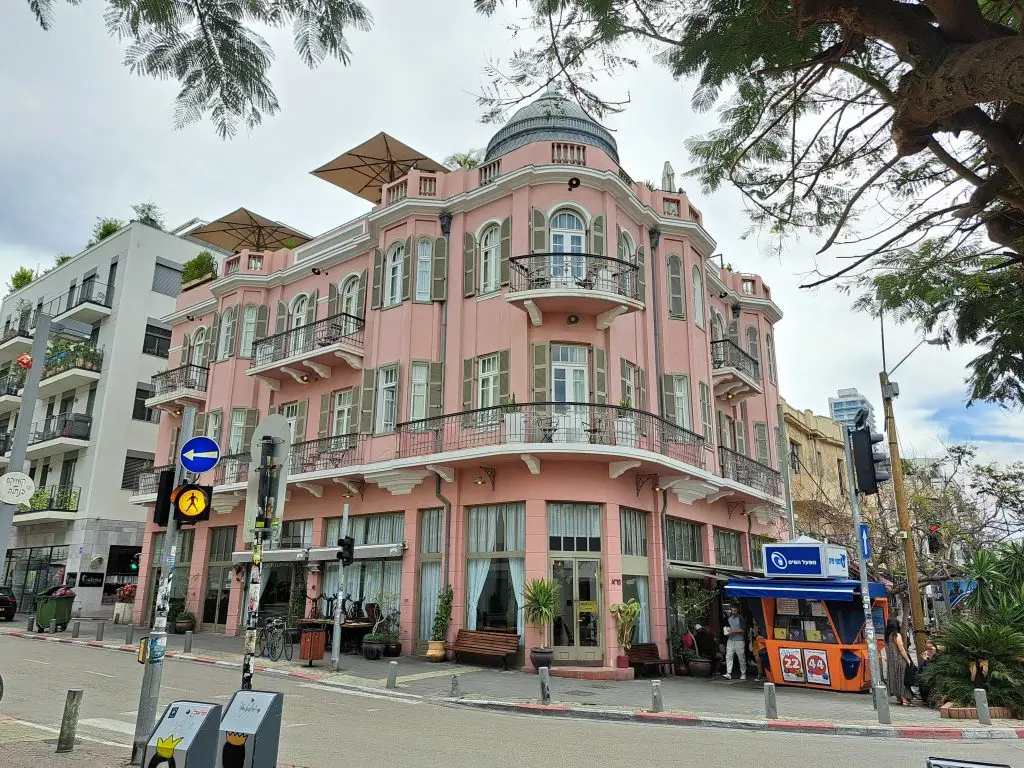
"Café Kassit, which operated for more than 50 years at 117 Dizengoff Street, is the fourth stop on the tour. It was a hangout for the Tel Aviv bohemian crowd of the 1960s, including Arik Einstein, who also enjoyed spending time at the nearby Cafe California on the corner of Frishman and Dizengoff, which was then owned by Iby Nathan.
"The legendary "Matzitzim Beach" - "Matzitzim" was the famous film starring Arik Einstein.
"The legendary "Metzitzim Beach,' known from the film 'Metzitzim," located northwest of Nordau Boulevard, is the fifth stop on Arik Einstein's life journey.
In 1972, Uri Zohar directed the film Peeping Toms as part of his Tel Aviv trilogy, which also included Big Eyes and Save the Lifeguard. Peeping Toms was the most successful and famous of the three, starring Arik Einstein as Eli, alongside Guta (Uri Zohar) the lifeguard who lives in a shack on the beach. To this day, the beach, which is mainly intended for families, commemorates this special film.
Oshikhin - Arik Einstein was Hapoel Tel Aviv's number one fan.
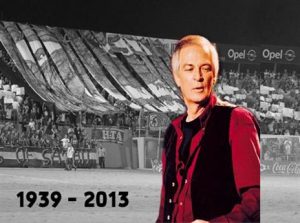
Arik Einstein was Hapoel Tel Aviv's number one fan and never missed a single soccer game at Bloomfield Stadium or, of course, a basketball game at Ussishkin Hall, which stood until a few years ago at 1 Ussishkin Street in Tel Aviv, our sixth stop.
Many of Arik Einstein's songs mention Hapoel Tel Aviv at Bloomfield Stadium and Ussishkin Hall. Einstein was among those who opposed Tel Aviv Mayor Ron Huldai, who decided at the time to demolish the hall and convert the site into part of Hayarkon Park.
"Gesher Hayarkon" graced one of the first albums by the Gesher Hayarkon trio, of which Einstein is a member.
Gadot Hayarkon is the name of one of Arik Einstein's most famous songs, but the seventh stop on the route will be the Hayarkon Bridge on Namir Road, formerly Haifa Road, which was featured on one of the first albums by the Hayarkon Bridge Trio, in which Einstein was a member alongside the duo Israel Gurion and Benny Amdursky.
Yehoram Gaon participated in the trio's first collaboration.
"Keter HaMizrach - which over the years has become Einstein's home restaurant
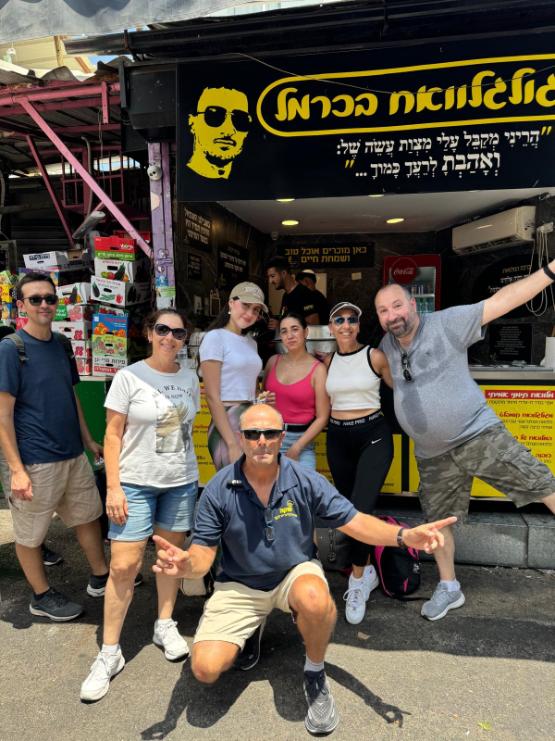
The offices of the production company "Hagar," which produced many of Arik Einstein's records, were located on Ibn Gvirol Street, and during his breaks, Einstein would often eat and drink at a nearby restaurant: Keter HaMizrach at 117 Ibn Gvirol Street, the eighth stop on the tour, which over the years became Einstein's home restaurant, where he would sit and spend time with many of his friends.
After his death, the owner promised to commemorate his friends by naming one of the restaurant's special dishes after them.
Tzavta Club, where Arik Einstein often performed
Further down Ibn Gvirol Street, north of Keter HaMizrach, in the basement of the London Ministor building, is the Tzavta Club (the ninth stop), where Arik Einstein often performed during the period when his three albums about the good old days of Israel were produced.
Einstein used to call these songs "chair songs," as he would sit on a high chair and sing quiet, romantic songs about the Land of Israel to his audience.
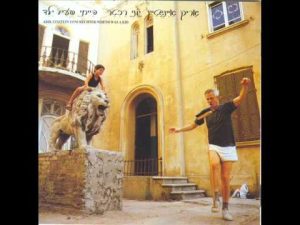
Anonymous Alley and Anonymous Alley - which featured on the cover of Einstein's album
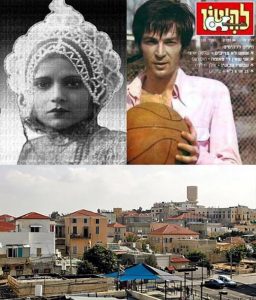
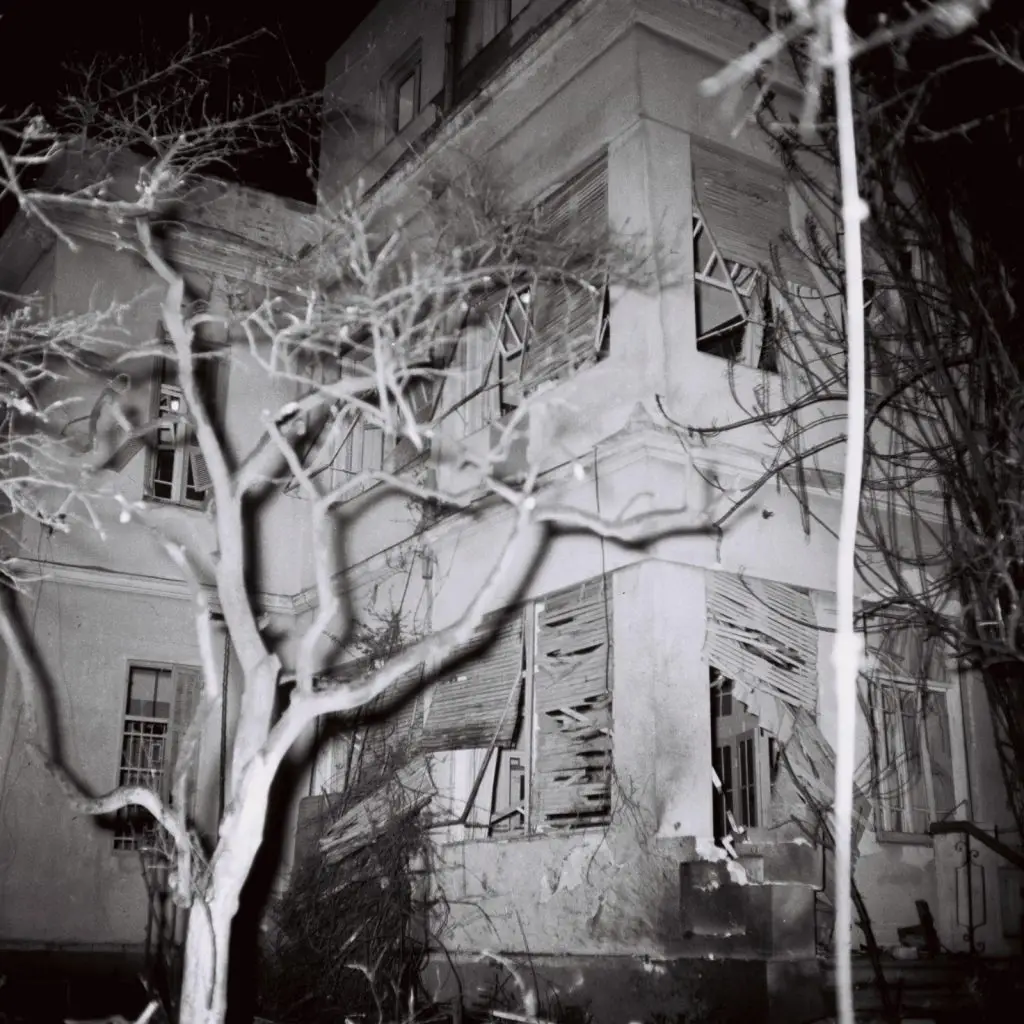
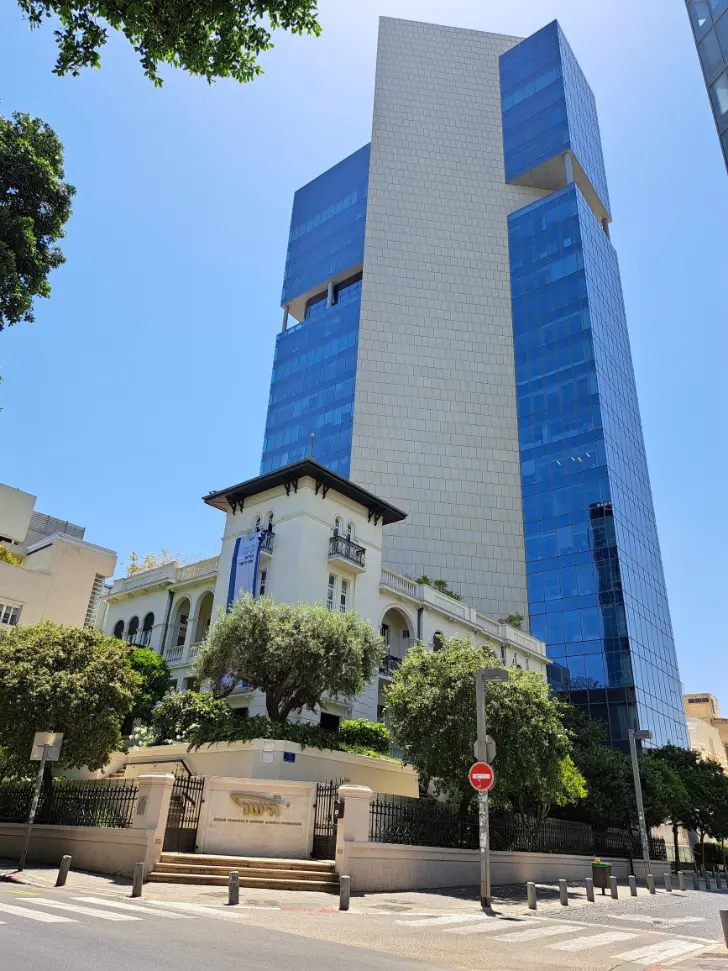
Anonymous Alley and Plonit Alley, next to King George Street in Tel Aviv, where millionaire Meir Shapiro built a big villa in the 1920s for his beloved wife Sonya Geisel, featured on the cover of Einstein's album, where he was photographed with the roaring lion standing at the entrance to Sonya Geitel's home (tenth station).
In the late 1920s, there was a romantic drama when the beautiful landlady ran off with her husband and the gardener, and perhaps that is why Einstein fell in love with the place.
45 Hovevei Zion Street – the house where Arik Einstein lived for many years
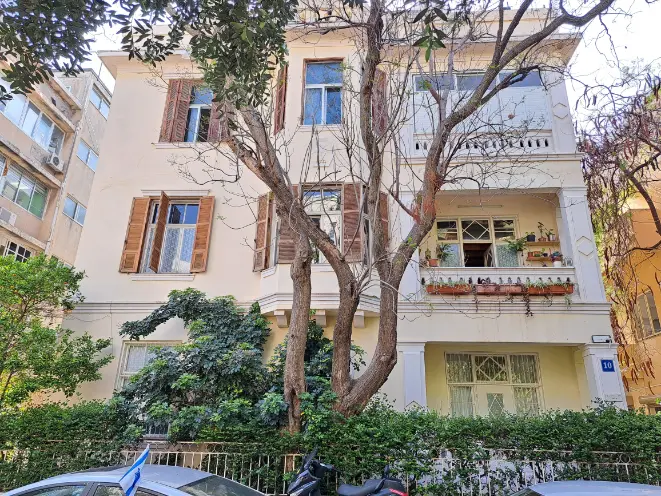
Arik Einstein never left central Tel Aviv and lived for many years at 45 Hovevei Zion Street with his wife, Sima Eliyahu (Station 11). From there, he was rushed to Ichilov Hospital on Tuesday evening, where he died shortly afterwards.
In recent days, mourners have gathered in front of the house and lit memorial candles.
Buried in the Trumpeldor Cemetery, which became the city's pantheon
The 12th and final stop on Arik Einstein's life journey is just a few meters from his home: his grave in the Trumpeldor Cemetery on Trumpeldor Street in Tel Aviv. The old cemetery of Tel Aviv was founded in 1902, seven years before the city of Tel Aviv was established, and quickly became the city's pantheon.
Next to Arik Einstein lie the graves of Shoshana Damari, Nahum Gutman, Ephraim Kishon, Chaim Nachman Bialik, Shaul Tchernichovsky, and many other great figures of their generation.
Guide details:
Dr. Dr. Ilan Shahori – My Tel Aviv
The number one expert on tours in Tel Aviv and Jaffa
Tours that connect living history, rare stories, and personal editions collected over decades of research
⬤ Doctor of History of Tel Aviv and the Land of Israel, research fellow at the Herzl Institute, and lecturer at the academy.
⬤ Certified senior tour guide with over 20 years of experience guiding in Hebrew and English.
⬤ Former senior journalist and commentator at Haaretz, winner of the Naftali Prize and Media Prize for his research.
⬤ Author of leading books on the history of Tel Aviv and operator of professional websites in the fields of history and tourism.
Additional information and frequently asked questions